A sauna or a hot tub after a workout? Both work – but in different ways and at different times
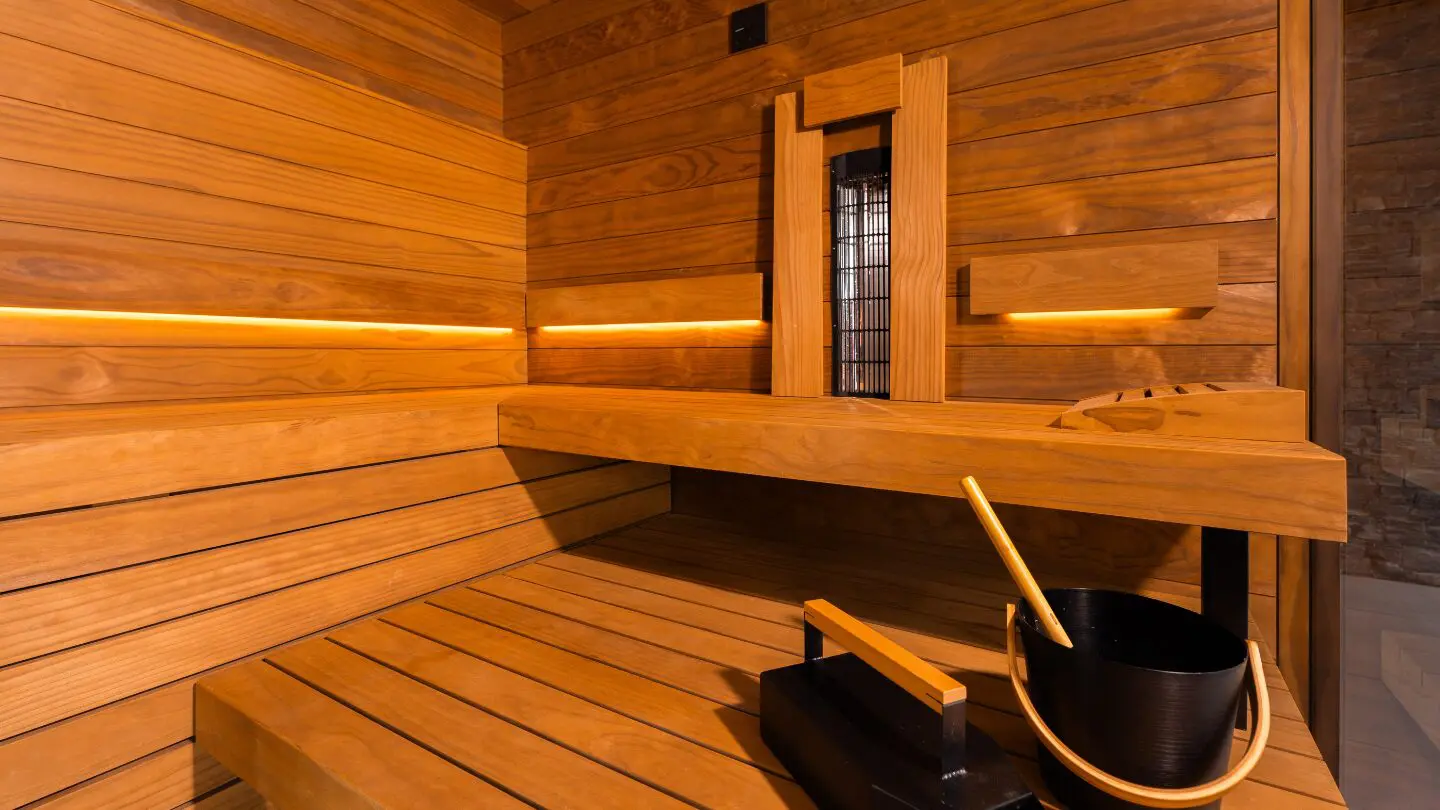
Muscle pain the day after exercise. Stiff legs after a run. Tense shoulders after strength training. Every active person knows this — and everyone is looking for a way to get over it as quickly as possible. The sauna and hot tub are the two most effective options. But they are not interchangeable. Each works by a different mechanism and is better suited to a different situation. Here’s an overview.
How saunas help athletes
The sauna does more to an athlete’s body than just warm it up. It speeds up the metabolism, thereby accelerating the removal of waste products from exertion. It improves the supply of oxygen to the muscles. It switches the nervous system from performance mode to recovery mode. And it has a preventive effect on the microtraumas of ligaments, tendons and joints, which constantly accumulate during regular training.
Canadian scientists monitored athletes who used the sauna for thirty minutes four times a week. The result was measurable: athletic performance improved by several percent — without a single extra training session. Polish research adds that regular sauna use has a positive effect on athletes’ body weight and stimulates the immune system.
When to use the sauna and how to do it properly: After a strenuous workout, ideally two to three times a week, towards the end of the day. The body needs time after exercise — the sauna works best as the final phase of recovery, not as a direct response to exertion. If you’re preparing before a race, a short warm-up of three to five minutes without cooling down can help activate the body — but wait at least a full day after the race.
Beware of overdoing it: Spending too long in the sauna will disrupt the mineral balance, reduce muscle strength and slow down speed reactions. Regularity and moderation are key — not intensity.
How a hot tub speeds up recovery
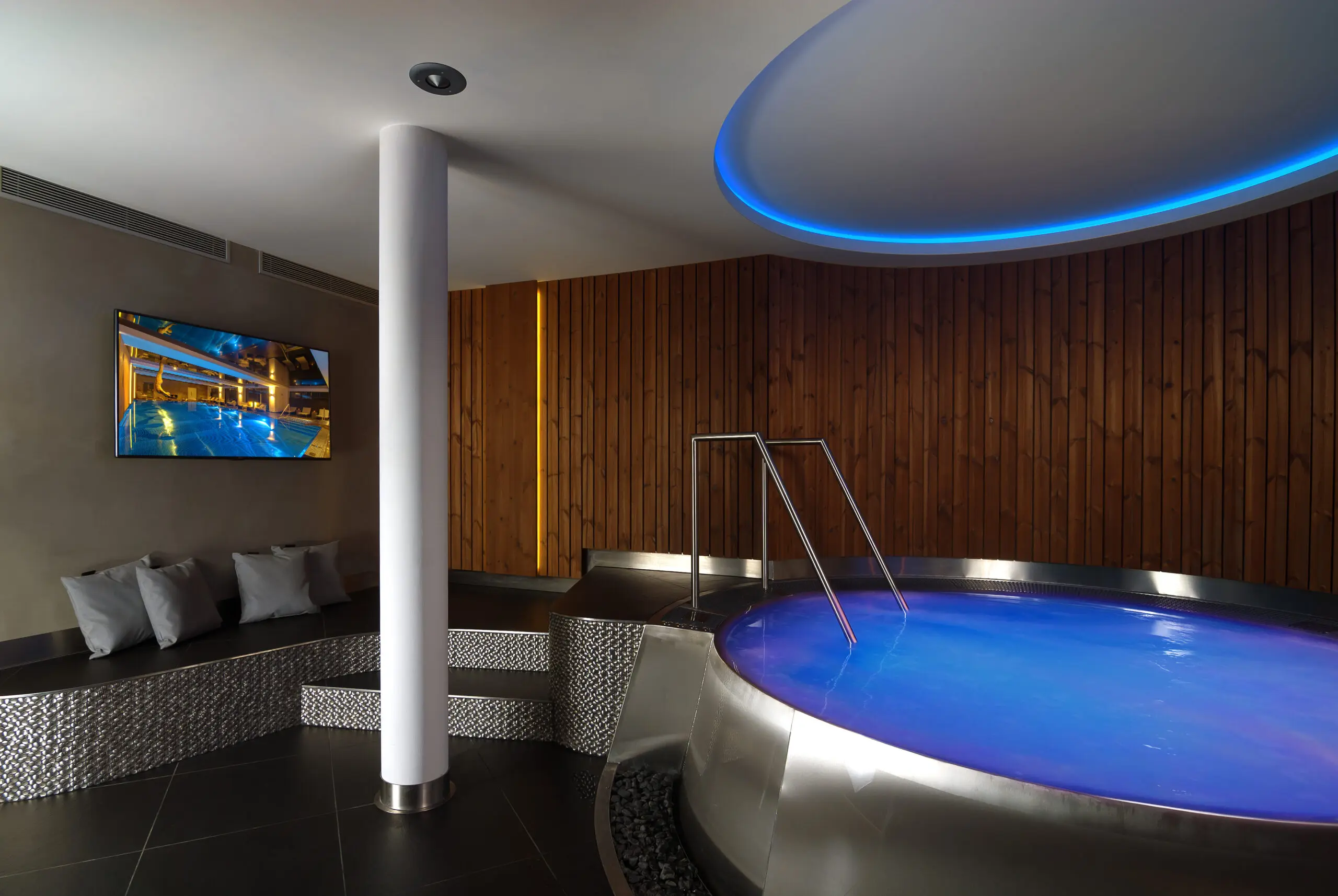
While a sauna works primarily through the heat in the air, a hot tub combines three mechanisms at once: warm water, buoyancy and the pressure of massage jets. This combination acts more precisely and more directly on muscle tissue.
Warm water causes vasodilation — the widening of blood vessels — and thus increases blood flow to the muscles. Oxygen and nutrients reach damaged tissue faster, and waste products are removed from it more efficiently. Massage jets suppress inflammatory processes and reduce swelling of muscles and joints through mechanical pressure. Buoyancy relieves the body — when immersed in water up to the neck, you bear only a fraction of your weight — and the muscles can relax completely.
A study has confirmed that immersion in warm water reduces muscle soreness significantly better than passive rest.
When to use the hot tub and how to use it correctly: After an intense workout, wait at least an hour before entering the hot tub — the body needs to cool down naturally first. The ideal immersion time is 15–20 minutes at a temperature of 38–40 °C. Drink plenty of fluids before and after using the hot tub — the heat causes fluid loss, which can complicate recovery.
The hot tub can be combined with cold water: alternating hot and cold phases (contrast therapy) further improves blood circulation and speeds up recovery.
And what about the mind?
Both tools have more than just a physical effect. The heat of both the sauna and the hot tub reduces the level of cortisol — the stress hormone, which is chronically elevated in athletes who train regularly and directly inhibits recovery. The result is better sleep, less subjective fatigue and a quicker return to form.
In sports where mental resilience and concentration are decisive, this has a direct impact on performance. Relaxing in a sauna or hot tub is not a waste of training time — it’s an investment in performance the next day.
Sauna vs. hot tub: a brief comparison
Sauna — stronger effect on overall physical and mental recovery, suitable for chronic tension and the prevention of overtraining; results become apparent with regular, long-term use.
Hot tub — faster and more direct effect on sore muscles and inflammation, ideal immediately after exercise (with an hour’s break), more pronounced mechanical effect on specific areas.
The best strategy is to use both — at the right time and in the right order. Hot tub immediately after training, sauna as part of overall recovery at the end of the day or on a day off. The body will appreciate both.
Do you want to have a sauna and a hot tub at home and use them exactly as your body needs? IMAGINOX designs stainless steel hot tubs and, through the TAO brand, saunas as part of a private wellness facility — tailored to your space and lifestyle. Take a look at completed projects at www.imaginox.com/cs/