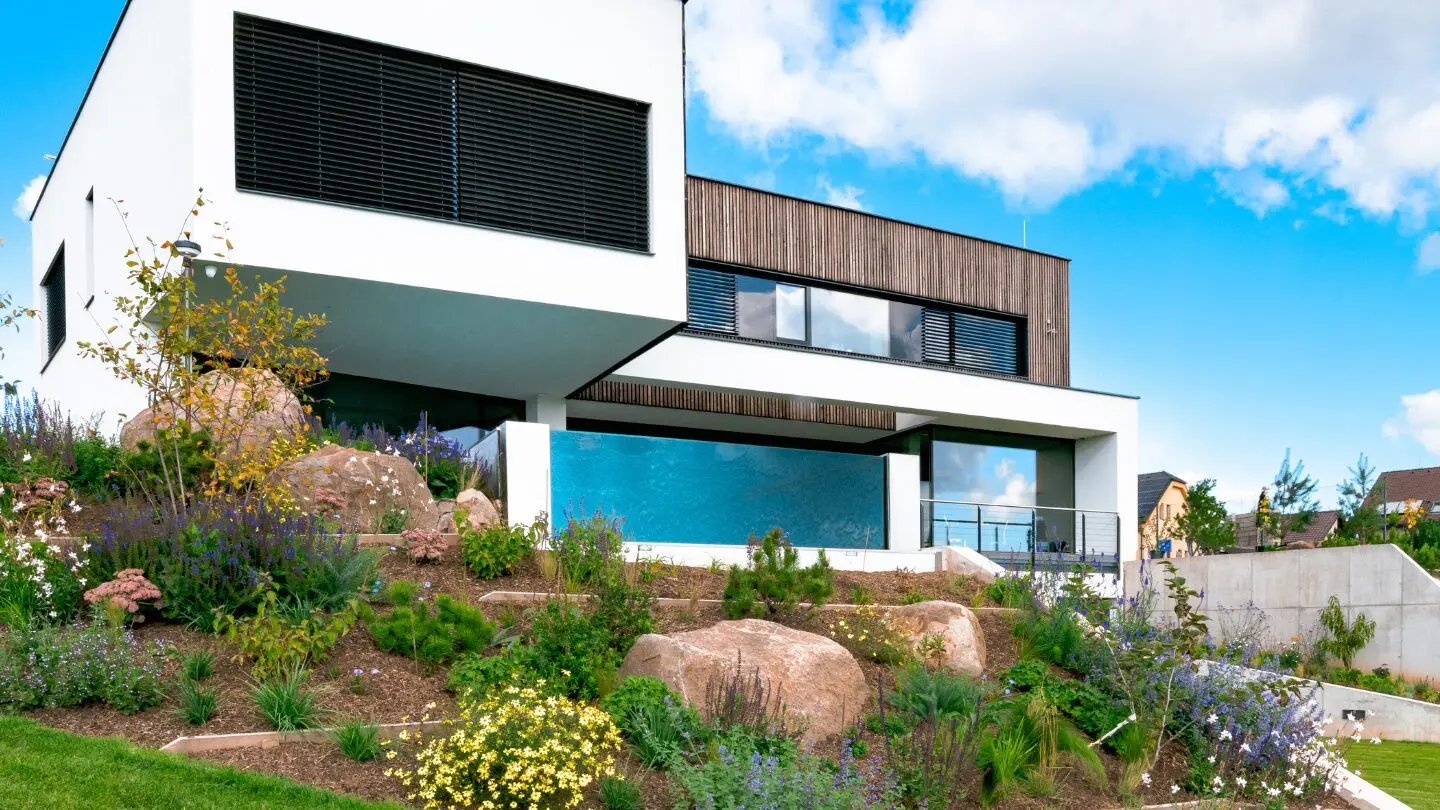
From tennis court to infinity pool: How the dream of luxury living has changed over the last 50 years
Just a few decades ago, a luxury home was primarily a visible symbol of success. Today, it is more of a private space for peace, regeneration, a healthy lifestyle and a smartly functioning household. The dream of luxury living has not been lost in 50 years — it has just fundamentally changed.
When luxury meant impact
In the 1970s and 1980s, luxury living was mainly associated with size, prestige and amenities that were visible at first glance. A tennis court, a large swimming pool, a home bar or a large garden were signs that the owner belonged to a higher social class. The house was supposed to arouse admiration, not necessarily make everyday life easier.
Luxury was then “for effect”. A larger house, more space and more distinctive accessories were supposed to show success. But today’s buyers are often looking for something else: quality of life, privacy, flexibility and practical comfort.
Today’s buyers want functionality
Current studies and market reports show that buyers’ preferences have shifted towards comfort, sustainability, energy efficiency and the ability to work from home. Especially in the luxury segment, a prestigious address or a large area is no longer enough. People want a house that works well every day.
This means, for example, a high-quality layout, sufficient privacy, a connection between the interior and the exterior, technological equipment and low operating costs. In its Trend Report 2025, Coldwell Banker Global Luxury states that indoor-outdoor living remains one of the most important elements for luxury clients. Luxury is thus shifting from demonstration to utility.
What replaced the tennis court
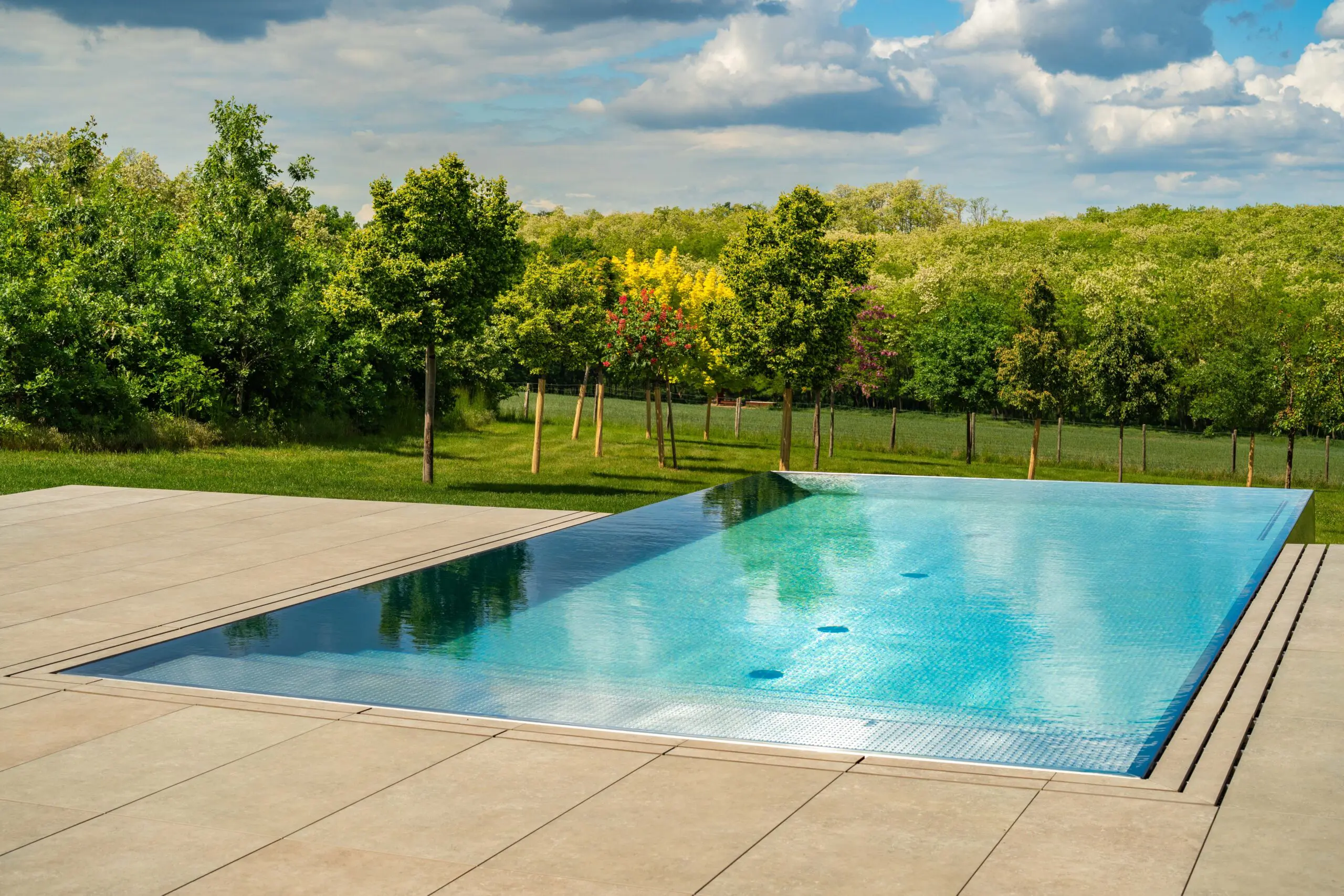
Symbols of luxury change as quickly as the lifestyle of their owners. The tennis court was once an icon of prestige, but today it is often replaced by a multifunctional wellness zone, home fitness, an outdoor lounge or an infinity pool. The term “luxury” has shifted from sporting representation to regeneration and private experience.
The home cinema once had a similar role to the tennis court: it was supposed to show a technological lead and the ability to “have everything at home”. Today, it remains attractive, but more often it becomes part of a broader comfort package. Buyers prefer a space that can be used regularly, not just occasionally.
Wellness as the new standard
The biggest change in luxury living is related to wellness. The Global Wellness Institute has long described wellness real estate as one of the fastest-growing segments of the wellness economy. This is no coincidence: the more people work from home and spend time in their own space, the more they value an environment that promotes health and regeneration.
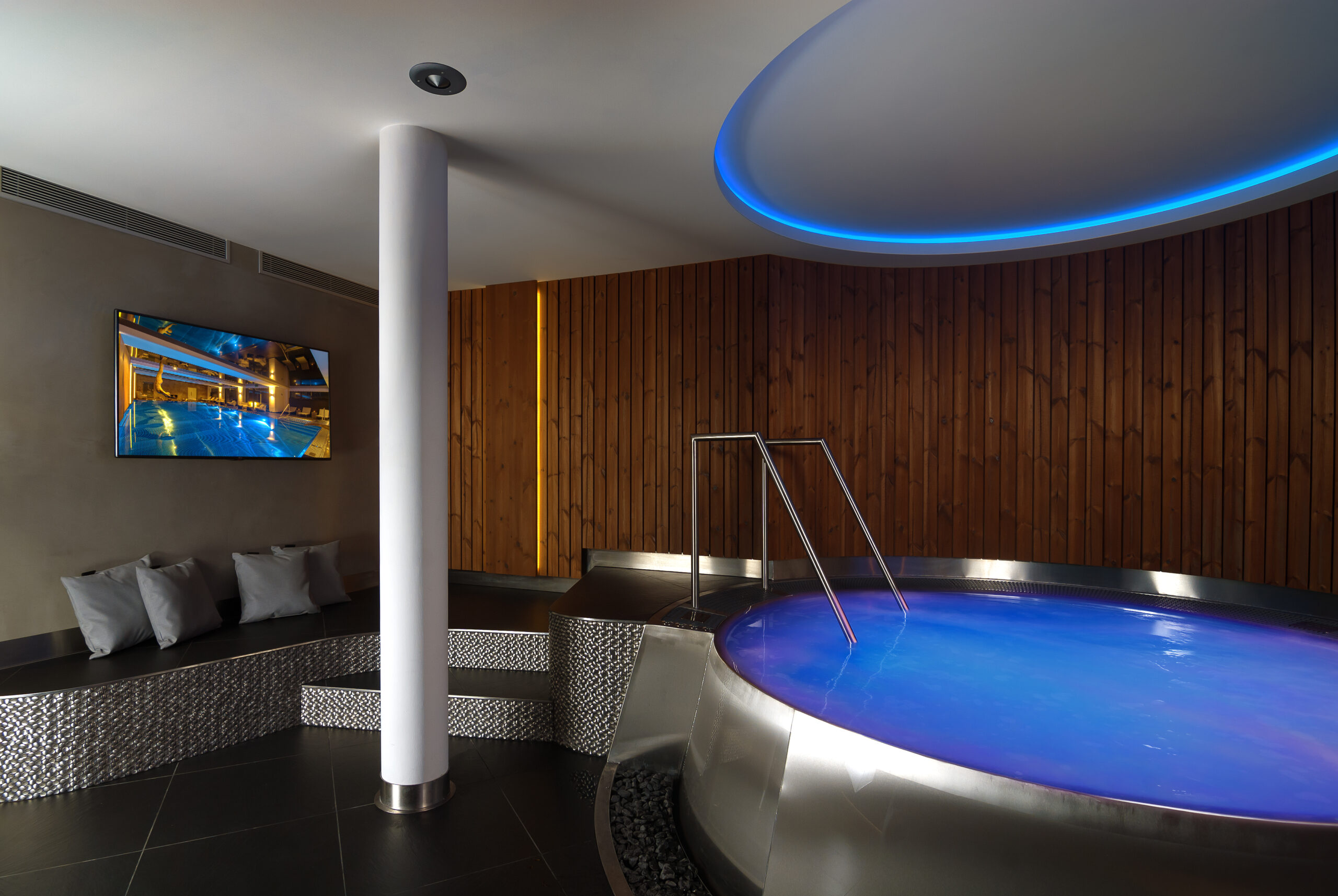
Wellness is no longer just a hotel service or a weekend getaway. It is becoming part of living. Elements such as a sauna, hot tub, home spa, high-quality air conditioning, natural light, biophilic design and quiet zones for relaxation are coming to the fore.

Swimming pool, sauna, hot tub
When talking about luxury living, three elements are often compared: a swimming pool, a sauna and a hot tub. Each of them represents a different type of luxury.
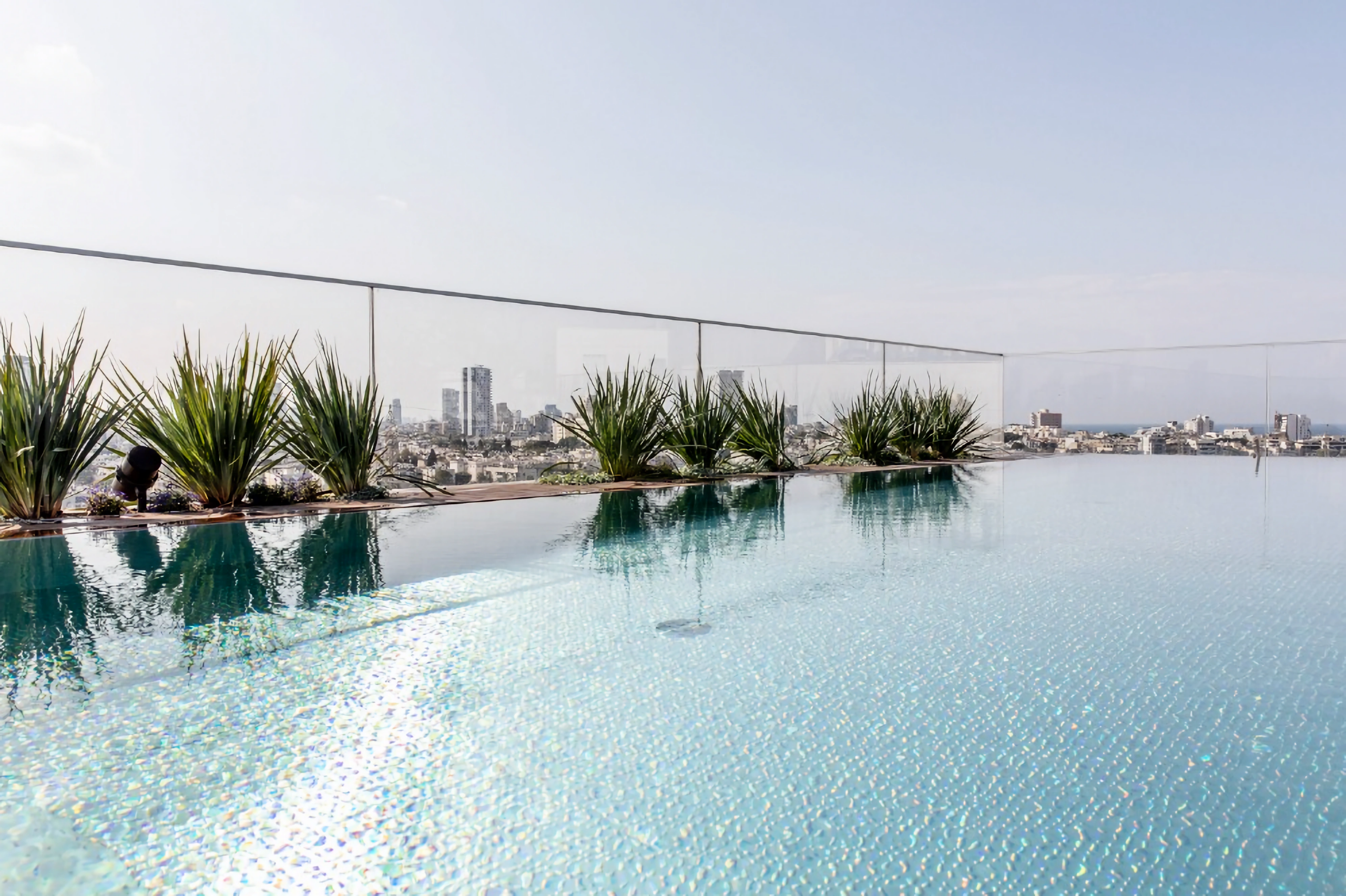
The swimming pool is still a strong symbol of prestige. In large villas and residences, it has both a representative and a practical function, especially when it comes to an architecturally distinctive infinity pool. At the same time, however, it is the most demanding in terms of space, maintenance and seasonality.
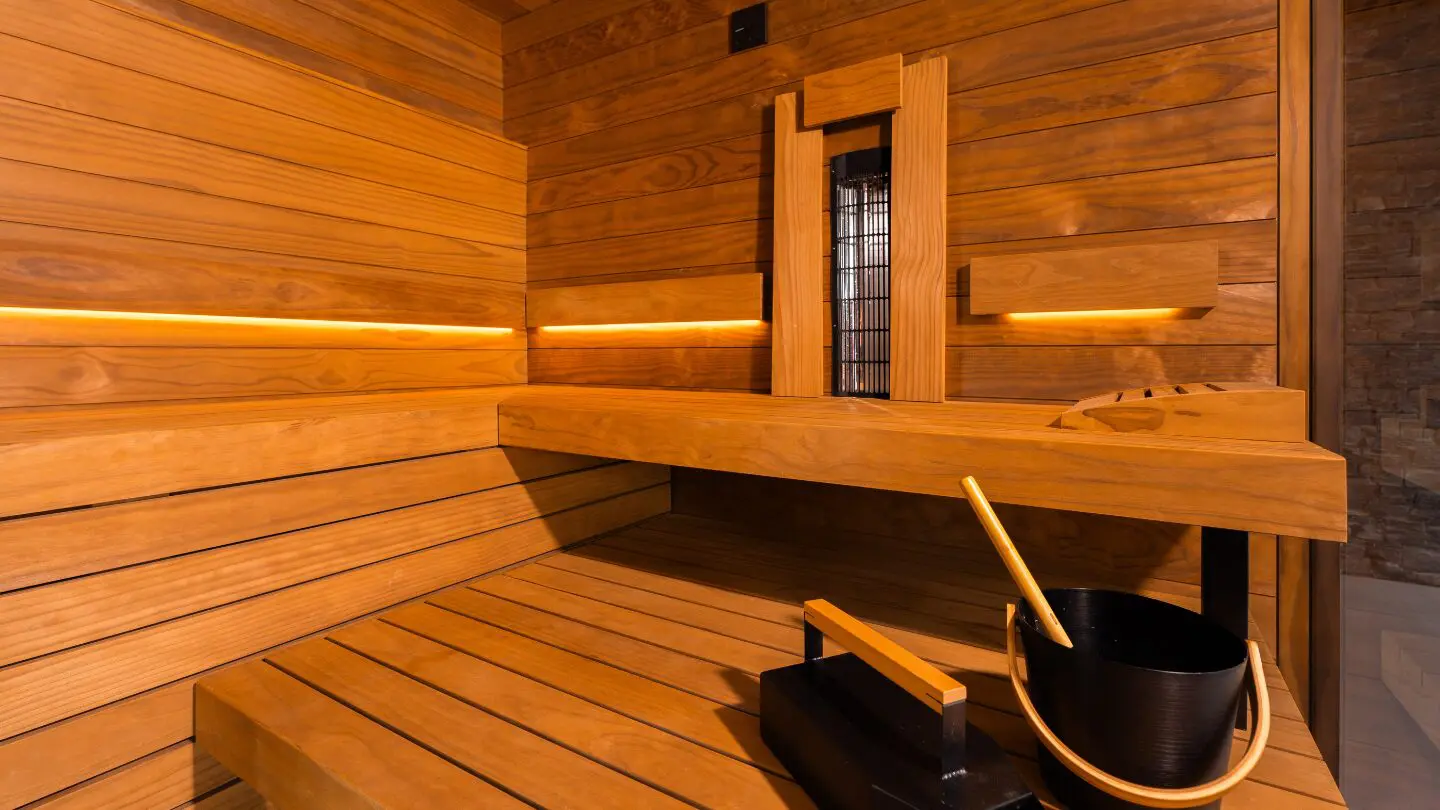
The sauna reflects the current emphasis on health and regeneration. It is more space-saving, works all year round and is less ostentatious than a swimming pool. In luxury living today, it is one of the most logical wellness features.
The hot tub is among them. It offers relaxation, a social dimension and lower installation requirements. According to current market commentary, there is growing interest in hot tubs and saunas in homes, as people are looking for a more affordable way to enjoy private wellness.
Comparison of elements
| Element | Main role | Requirements | Perception in luxury |
| Swimming pool | Representation, sport, summer use | High | Iconic, but demanding |
| Sauna | Regeneration, health, year-round operation | Medium | Very strong trend |
| Whirlpool | Relaxation, smaller space, social use | Lower to medium | Practical luxury |
Why privacy is winning
The modern luxury client doesn’t just want to show off their assets. They want privacy, security and the opportunity to live in peace. This is also confirmed by market reports on luxury housing, which emphasise the growing importance of location, discretion, indoor-outdoor connectivity and value-driven luxury. In other words: today, luxury is less about being seen and more about being comfortable.
The pandemic also brought about a major shift. It accelerated interest in homes that can accommodate work, leisure and family life in one place. A quality home is no longer just a place to sleep, but a fully-fledged base for the whole day.
How prices move the market
The development of luxury property prices shows that the market has become more selective, but at the same time consistently attractive. Realtor.com reports that in 2025, the property segment above $1 million maintained a stronger performance than the mid-market and sold relatively better than the cheaper segments. This suggests that luxury housing remains in demand even under changing conditions.
Similarly, in its report on the Swiss market, UBS shows that the luxury residential market continues to grow, although the pace is slower than before in some regions. In other words: the real luxury segment tends to be resilient because it is associated with scarcity, location and a lifestyle that cannot be easily replaced.
Luxury living and health
One of the most interesting trends is the connection between housing and health. The Global Wellness Institute and other studies show that wellness real estate is growing precisely because people perceive their home as a space that is supposed to actively support their well-being. It is no longer just about aesthetics, but about an environment that affects sleep, stress, exercise and regeneration.
The growing interest in home spas, better air, water filtration, lighting modes and rooms for exercise or meditation also fits into this logic. In addition, in its consumer snapshot report, ISPA shows that people associate wellness and spas with self-care and stress relief. This is exactly why private wellness is becoming part of a luxury home.

What’s next
The future of luxury living is likely to be even more personalised. The winners will be homes that allow the owner to live exactly according to their own rhythm: to work, rest, exercise, regenerate and at the same time save energy. Luxury will thus continue to move away from the universal model and towards an individual lifestyle.
This doesn’t mean the end of swimming pools or home cinemas. Rather, it means that they will no longer be the automatic definition of luxury. They will be just one of the options on a wider menu. For some, a sauna will be more important, for others a terrace and a view, for others a smart home or architecture without compromise.
Conclusion
Over the last 50 years, the dream of luxury living has shifted from ostentation to functional comfort. A tennis court, home cinema and swimming pool were once a sign of status; today, luxury is increasingly associated with wellness, privacy, sustainability and smart use of space. The swimming pool remains an icon, the sauna is a symbol of new healthy luxury, and the hot tub is a practical compromise for everyday relaxation.
Modern luxury living is no longer about what impresses the neighbourhood the most. It’s about what best serves life inside.
You may be interested
A sauna or a hot tub after a workout? Both work – but in different ways and at different times
A stainless steel rooftop swimming pool: why metal is the best material when every kilogram counts