



How to Plan Hotel Wellness and What It Brought to Hotels
Hotels offering sophisticated wellness services achieve more than twice the total income per room of those without such services. Based on an analysis of 11,000 hotels worldwide (HotStats/RLA Global, 2025), this result confirms that wellness is a strategic driver of revenue, occupancy and guest loyalty, not just a luxury accessory. The global wellness economy reached a value of $6.8 trillion in 2024 and is growing at a rate of 7.6% per year, with wellness tourism accounting for nearly $900 billion of this figure. For hoteliers and investors, this means only one thing: the question is no longer whether to invest in wellness, but how to do so wisely.
From idea to opening: six phases that determine success
Planning a hotel wellness area is not just an architectural challenge; it is a complex strategic project that goes through six key phases. The first of these, conceptual planning (1–3 months), involves defining what well-being means for the hotel. This may sound trivial, but it is here that the most basic errors arise. The hotelier must answer specific questions: Is it a city hotel or a resort? Who is the target audience – business travellers with limited time or leisure guests looking for a multi-day detox? Will wellness facilities be accessible to external visitors and members?
The second phase is the crucial feasibility study (2–4 months). A high-quality study includes an analysis of the local market and competitors, a demand forecast based on hotel occupancy and seasonal fluctuations, an estimate of capital expenditure and ROI scenario modelling. An important number for determining the right size is: The realistic occupancy rate of a wellness hotel is only 2–5%; a resort with 300 rooms and 50% occupancy actually only needs three treatment rooms, not eleven.
This is followed by architectural planning (3–8 months), contractor selection and construction preparation (1–2 months), construction (12–36 months depending on the scope), and the pre-opening period (2–6 months including recruitment, team training and a soft opening). The timeframe from initial concept to grand opening ranges from 18 months for a smaller wellness extension to an existing hotel, to 4–5 years for a destination wellness resort. Importantly, 73% of construction project delays occur in the pre-construction phase – thorough preparation in the first few months can save millions in later phases.
The Triangle of Success: Architect, Wellness Consultant, and Technology Supplier
One of the most common mistakes in practice is involving a wellness consultant too late in the process. The consultant defines the operational logic, such as guest flow, capacity planning, service menus and staffing models, and the architect then designs a space that supports this logic. Next, the technology provider (for pool technology, saunas, air conditioning and water treatment) enters the project and solves the technical parameters, such as minimum air exchange (3.6 m³/h/m²), humidity (30–50%), the moisture resistance of materials, safety standards and barrier-free access.
The composition of a prosperous hotel varies depending on its category. A four-star hotel usually has an area of 500–1,000 m², including a swimming pool, a sauna area with a Finnish sauna and a steam room, a whirlpool, four to six treatment rooms, a relaxation area and a gym. A five-star luxury hotel requires 1,000–3,250 m² and features an extended thermal zone, various pool types, VIP treatment suites, and outdoor facilities. The recommended infirmary-to-room ratio is 1:10–15 for luxury resorts and 1:25–50 for more upscale city hotels. The average occupancy rate of hospital wards in luxury hotel spas is only 20–25%, which is a key argument against oversizing.
Hard data: Well-being as a source of measurable income
The numbers speak for themselves. A study of over 11,000 hotels (HotStats/RLA Global, 2025) revealed that those with a comprehensive wellness programme achieved an average daily rate 18% higher than hotels without wellness facilities, and a total room income 108% higher. Furthermore, wellness guests tend to stay longer, spend more, and return more frequently.
Success story: Al Nin Hotel & Spa, Livigno
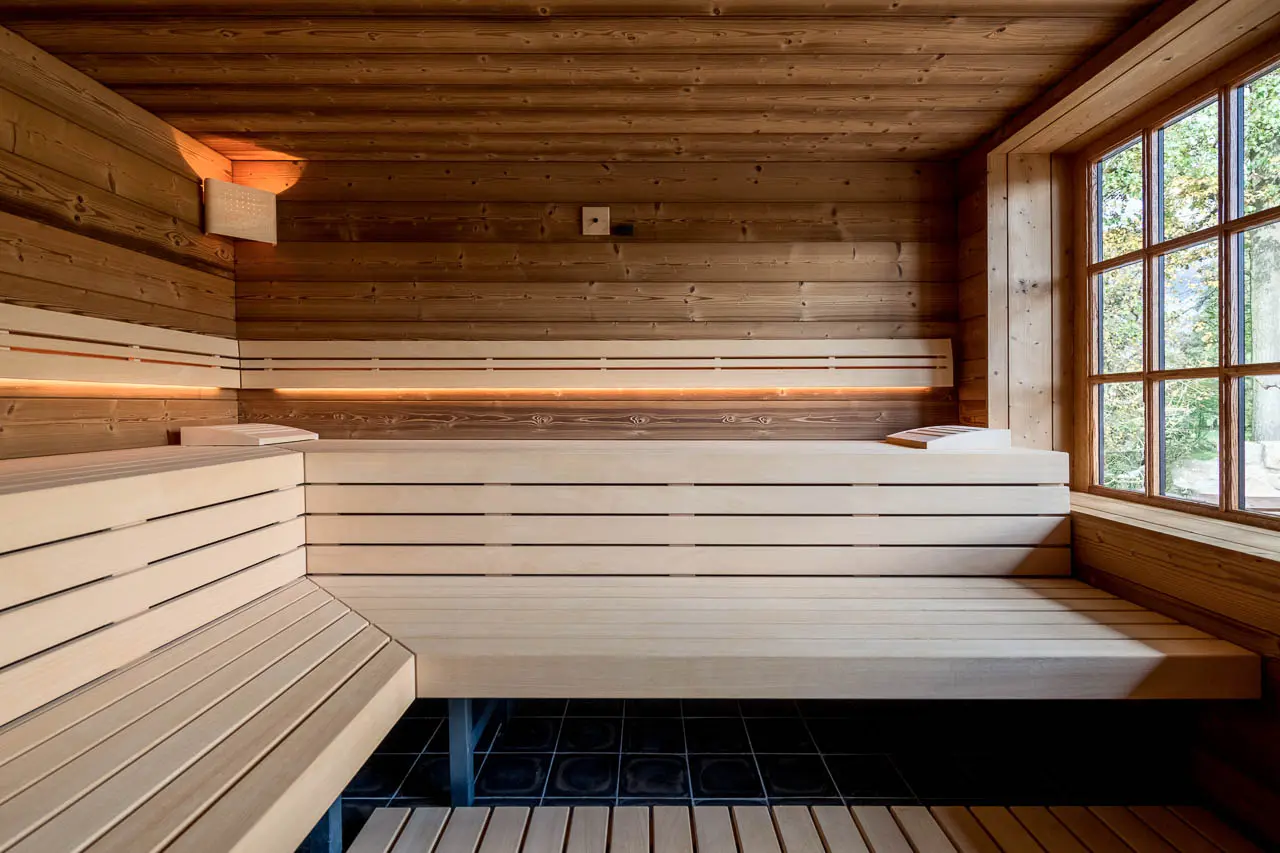
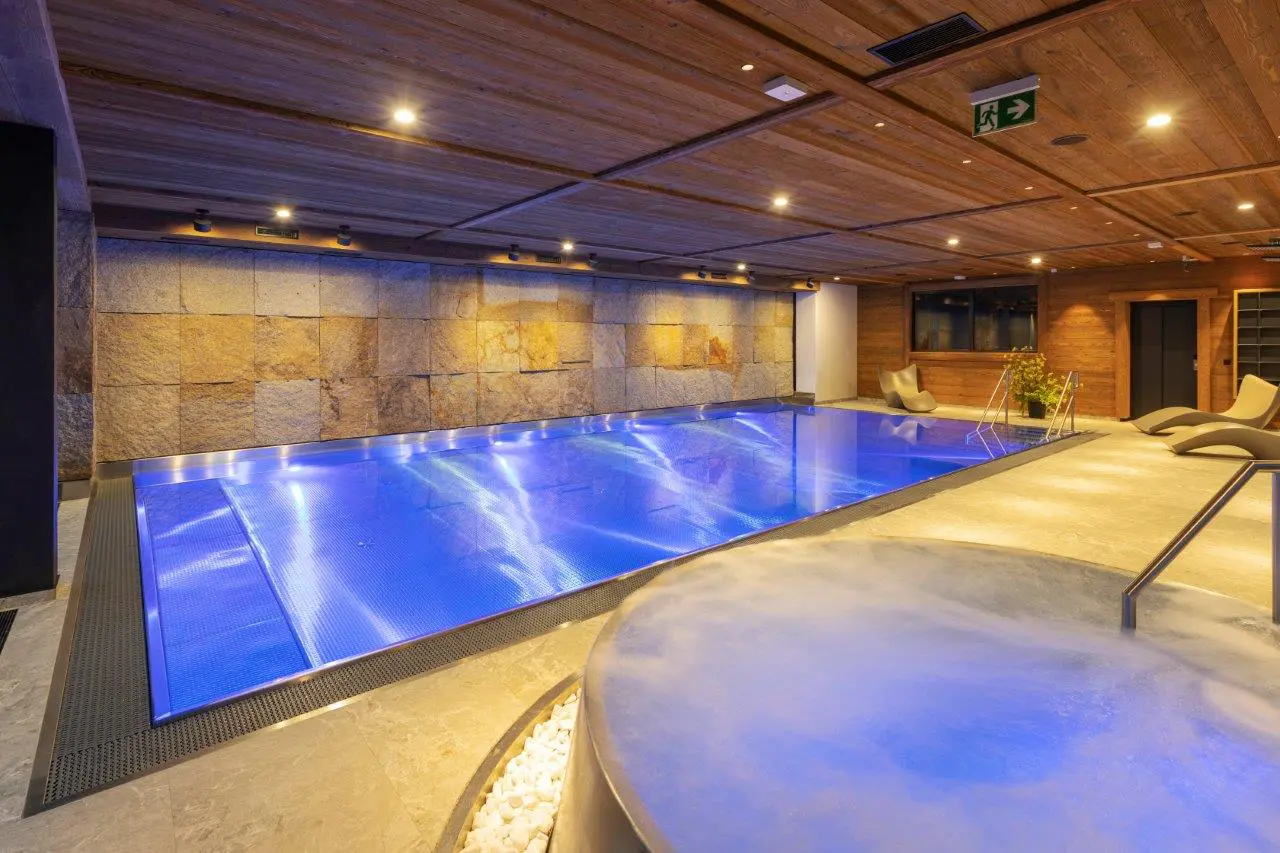
The Al Nin Hotel & Spa in Livigno, Italy, is a good example of how well-being can arise naturally from the character of a place. The hotel’s two-storey wellness zone is built on contrasts: a warm pool and whirlpool by IMAGINOX, a sauna world by TAO, and the cool mountain environment outside the windows. Wellness is not an addition to the hotel experience, but an integral part of it.

Why investing in designer wellness is worth it
The return on wellness investments depends heavily on how they are implemented. Compact, targeted wellness facilities such as saunas, cold baths and relaxation lounges can pay for themselves in as little as 18 to 36 months. Full-fledged spa facilities usually pay for themselves within four to six years. Concrete case study: A 55-room coastal hotel transformed an unused conference room into a recreational lounge, increasing its average daily rate (ADR) by $12 and recouping the investment in less than 20 months.
However, the difference between generic and designer wellness is crucial. The unique design makes prices incomparable – guests can’t easily compare prices with competitors, which promotes stable price growth. Equinox Hotels in New York City, where rooms are designed by sleep psychologists and lighting follows circadian rhythms, achieved a higher ADR than comparable New York hotels thanks to its position as a ‘wellness status symbol’. Six Senses London, with its first magnesium pool and fermentation lab in London, has established itself as an urban wellness destination, charging a premium for this experience.
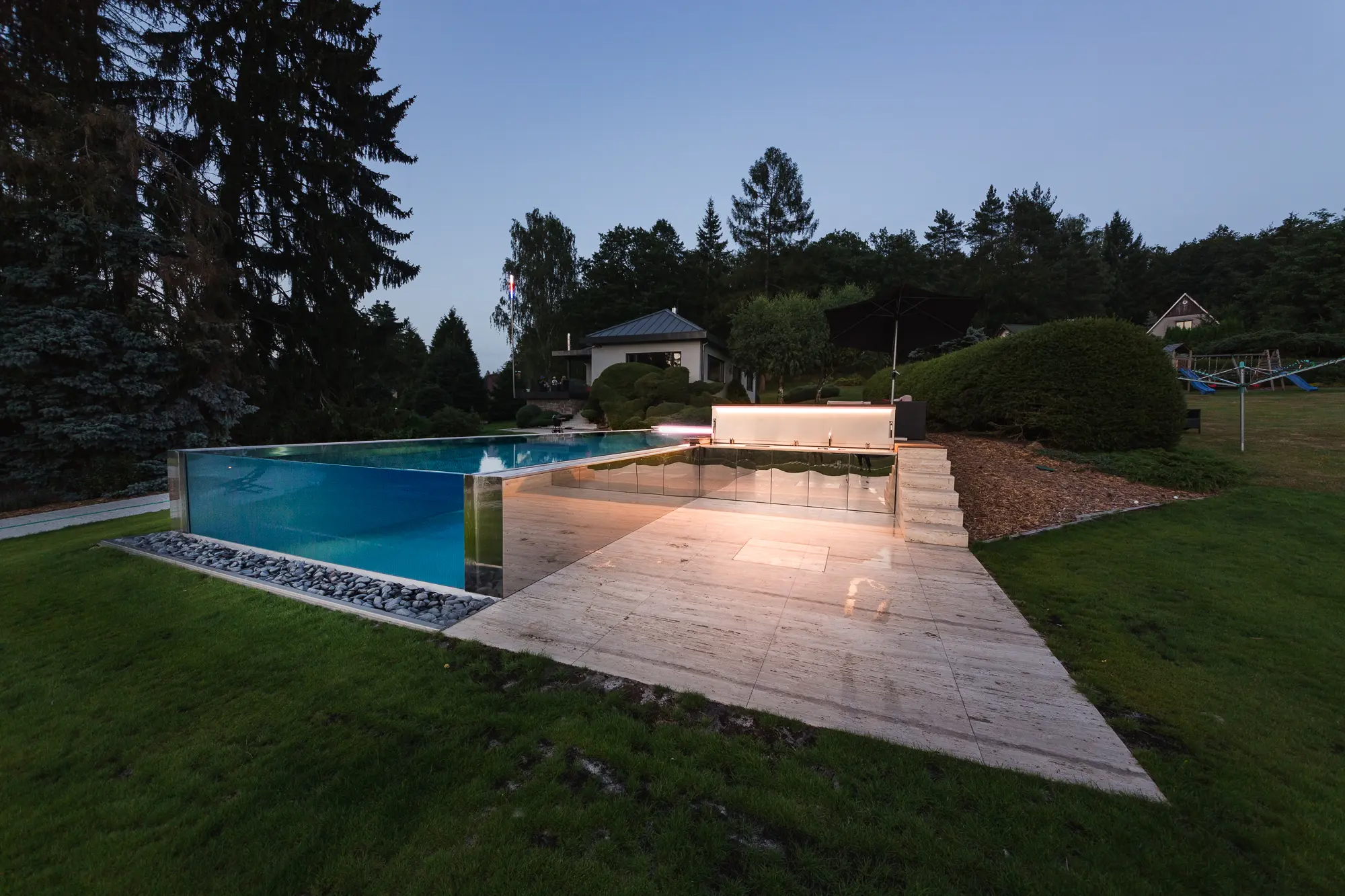
The phenomenon of the ‘Instagram effect’ adds another dimension. 61% of travellers have booked a hotel after seeing it on Instagram, and user-generated content (UGC) is perceived as 9.8 times more influential than content created by influencers. Amada Colossos Resort increased its ad spend by 2,600% thanks to its visually appealing content and UGC strategy, while ad spend only increased by 37%. Wellness design that motivates guests to share, such as infinity pools, saunas overlooking the sea and architecturally exceptional spaces, generates organic marketing of inestimable value.
Trends 2025–2030: Longevity, Biophilic Design, and Personalisation with AI
The future of hotel wellness is shaped by several converging trends. Longevity and preventive medicine are the main themes of the 2025 Global Wellness Summit – hotels are integrating diagnostic labs, biomarkers, and consultations with doctors directly into the guest experience. ‘Longevity residency’ projects, such as The Estate (Sam Nazarian and Tony Robbins) and Velvaere in Utah, which combine Deepak Chopra principles with Fountain Life diagnoses, are being developed.
Biophilic design, with its vibrant green walls, natural materials and fusion of interior and exterior spaces, has become the standard. Outdoor sauna huts by the sea or lake, rooftop pools with open views, and treatment pavilions in the gardens are blurring the line between construction and nature. AI personalisation is a real game-changer, with systems analysing sleep patterns, heart rate variability and guest fatigue in real time and automatically adjusting lighting, room temperature and wellness activity recommendations. Marriott has introduced AI massages and VR meditations to its luxury offerings, while Six Senses provides customised DNA analysis and nutrition plans.
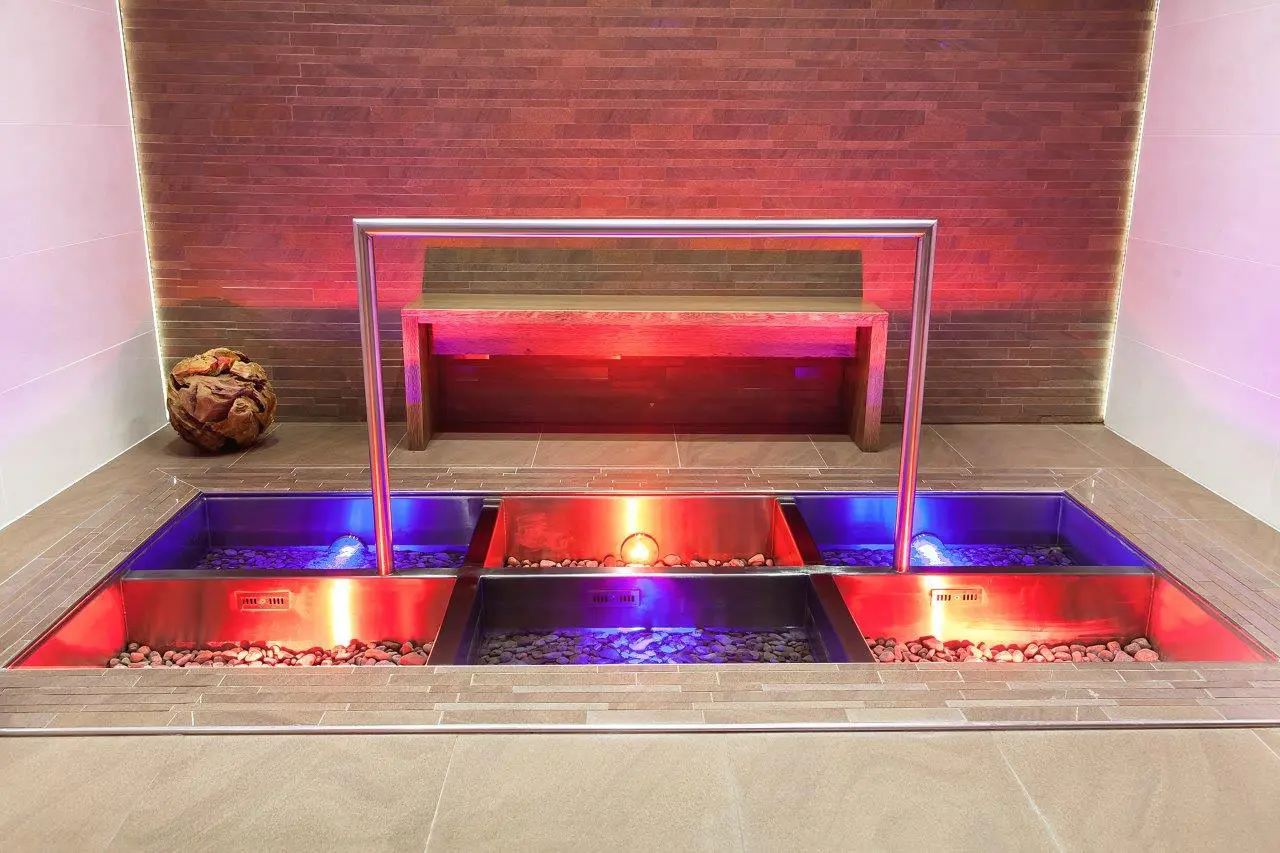
Contrast therapy (cryotherapy and infrared saunas), swimming pools, hyperbaric chambers, and pulsed electromagnetic therapy are shifting from clinical environments to hotel spas. These technologies also solve one of the biggest operational problems: dependence on therapists. They make it possible to reduce the proportion of labour costs in wellness sales from 55% to 20%.
Conclusion: It is a strategy game, not a fashion accessory
In 2026, the hotel wellness market is worth nearly $1 trillion and is growing at an annual rate of around 9%. Data clearly shows that a unique, appropriately sized wellness offering can increase a hotel’s overall revenue by tens to 100 percent, stabilise occupancy despite seasonal fluctuations, and create incomparable prices in the market. However, success hinges not on the size of the investment, but on precise planning from the initial feasibility study, involving a wellness consultant before the architect, planning realistic sizes based on actual demand data, and developing an authentic concept that becomes part of the brand’s DNA. At a time when 82% of U.S. consumers consider wellness a priority and Gen Z and Millennials prioritise well-being above all else, the question for hotels is not “if” wellness is important, but “how smartly” it is implemented.