Infrared saunas in an architectural context: why architects and hotels are incorporating them into premium projects
The infrared sauna is no longer the preserve of home wellness rooms and has made its way into the architecture of premium hotels, residences and commercial wellness centres. The reason is simple: it combines ease of operation, health benefits and design flexibility in a way that other types of saunas cannot fully offer. For architects and hotel developers, it is a product that broadens the range of wellness facilities available — while at the same time reducing the demands on technical infrastructure.
What an infrared sauna is and how it differs from a traditional sauna
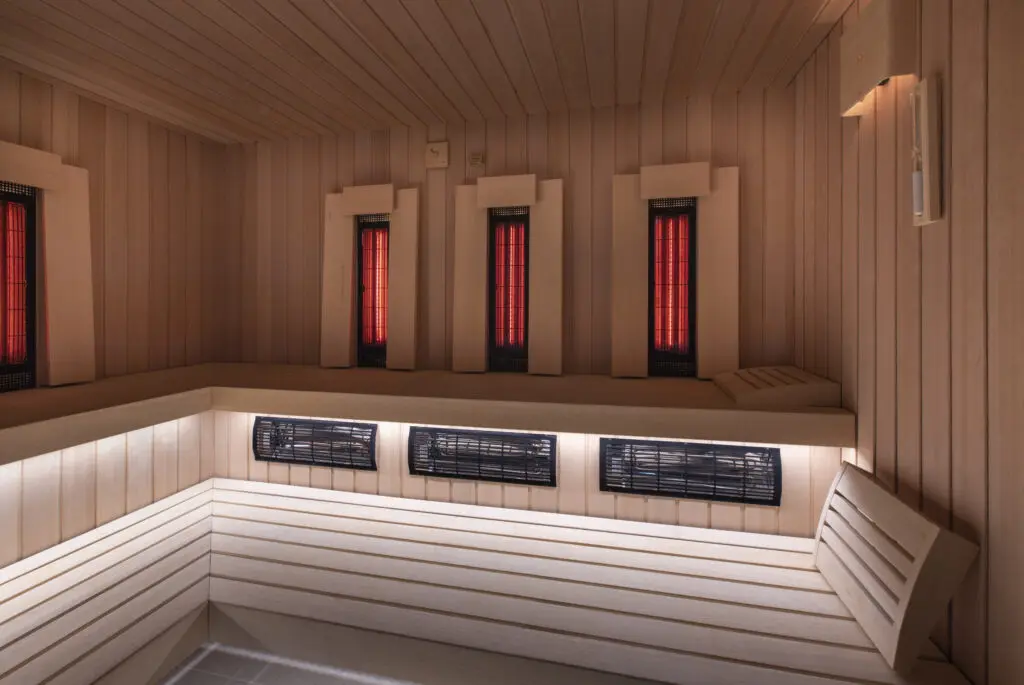
The modern infrared sauna was developed in Japan in the 1960s and has since undergone significant technological development. Unlike a traditional Finnish sauna, which heats the air in the cabin and, through it, heats the body from the outside, an infrared sauna uses infrared radiation — thermal light at wavelengths that are not visible to the naked eye but penetrate directly into the skin to a depth of approximately three centimetres.
This direct interaction of radiation with the body has one key practical consequence: an infrared sauna achieves comparable health effects at a significantly lower air temperature — typically 45 to 60 °C compared to 80 to 100 °C in a Finnish sauna. For users, this means a more pleasant, more accessible experience. For architects and hotels, this means lower ventilation requirements, less strain on the building structure and a wider range of guests who will actually use the infrared sauna.
It is also important to make a distinction that is often confused in practice: the infrared radiation it uses is beneficial to health and naturally present in sunlight. It is not related to harmful UV radiation, which damages the skin and eyes. Confusing these two terms leads to unwarranted concerns — and properly communicating this distinction is part of any high-quality hotel wellness programme.
Health effects relevant to wellness programmes
For hotel wellness centres, the health benefits of a product are a key marketing argument and the real value that guests are looking for. In this respect, the infrared sauna offers a wide range of proven effects.
Detoxification is one of the strongest arguments: according to available sources, sweat produced during an infrared sauna session contains up to 20% toxins, while sweat from a traditional Finnish sauna typically contains 5–7%. In this respect, the infrared sauna is a more effective detoxification tool, while placing a lower thermal load on the body.
Support for blood circulation and the cardiovascular system is another documented benefit. Infrared radiation causes blood vessels to dilate and blood flow to increase, which is particularly beneficial for people with high blood pressure or an increased risk of cardiovascular disease. At the same time, the infrared sauna is more suitable for this group of users than the traditional Finnish sauna, where the temperature and circulatory stress are more pronounced.
The effect on the musculoskeletal system is also clinically relevant: heat penetrates muscle tissue and joints, reduces tension, relieves stiffness and alleviates pain. For guests coming from active stays — skiing, trekking, golf — the infrared sauna has a direct regenerative effect that guests feel immediately.
A detailed overview of the proven effects of the infrared sauna includes strengthening the immune system, relieving arthritis and rheumatism, supporting the treatment of eczema and psoriasis, improving cellulite, supporting mental health and reducing stress, detoxifying the body, and relieving chronic back pain and menstrual pain.
Why the infrared sauna is architecturally attractive
For architects and interior designers, the infrared sauna is interesting for several specific reasons that distinguish it from other wellness elements.
Minimum construction requirements. An infrared sauna does not require a special floor, reinforced waterproofing or complex air extraction. A standard 230 V / 10A or 16A electrical connection with a power consumption of 2.1 kW is all that needs to be provided. This means that an infrared sauna can be placed virtually anywhere: in a hotel room, in a wellness area, on a roof terrace, in a basement, in corner spaces or in rooms with non-standard dimensions that would not be suitable for a conventional sauna.
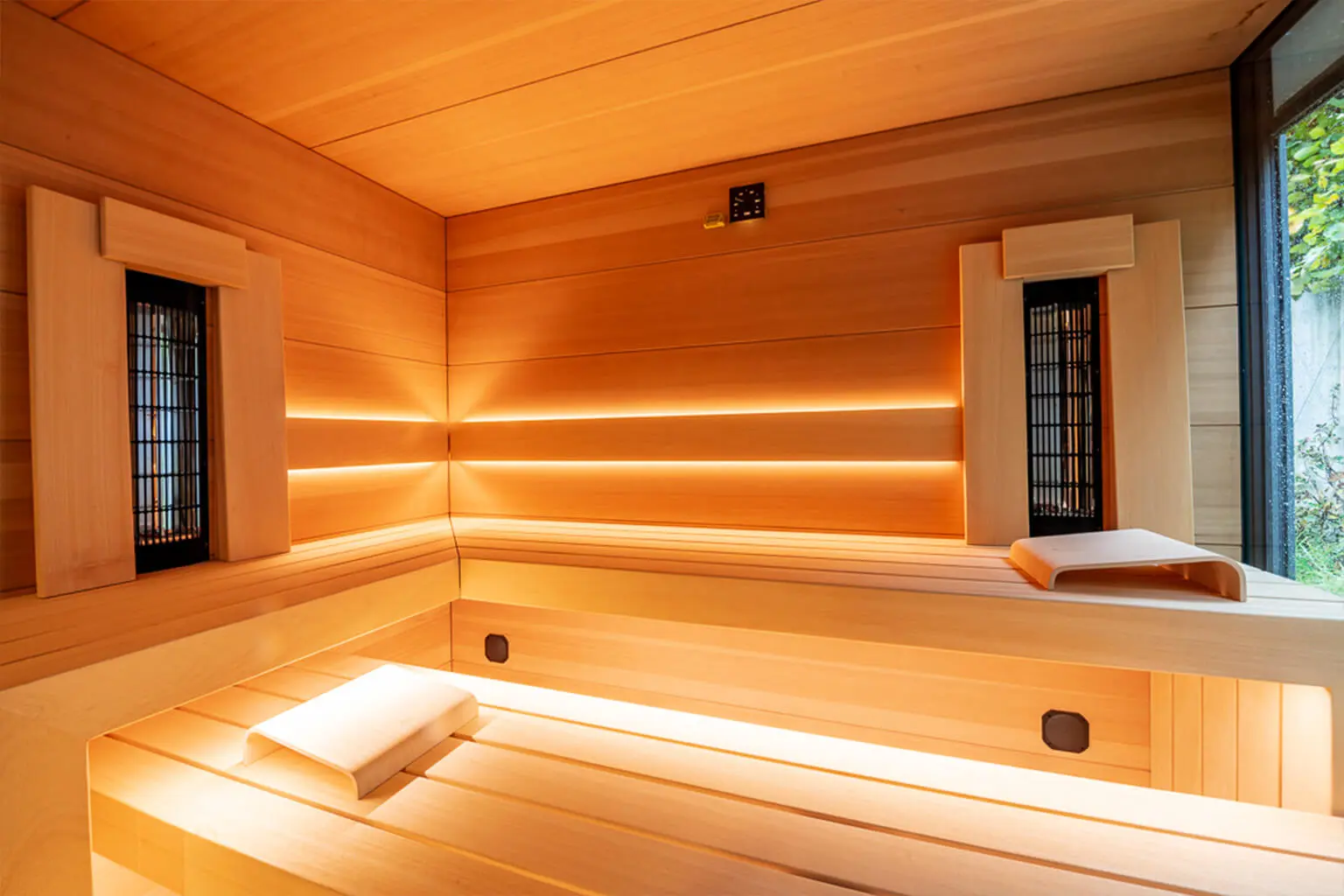
Design flexibility. Infrared saunas are available in a modular design that allows for customisation of shapes, materials and finishes. The combination of wood, glass, stainless steel and LED lighting creates a premium visual effect that blends naturally into a modern hotel interior. The glass wall of the infrared sauna is a design element that showcases the interior design of the cabin — while also visually opening up the wellness area.
Option of subsequent installation. Unlike a steam room or a large sauna complex, an infrared sauna can be installed in a hotel or residence that is already in operation — without interfering with the building structure, without prolonged interruption of operation, and without the need for a building permit in many jurisdictions.
A multisensory experience. Premium infrared sauna models come as standard with chromotherapy — light therapy in various colours that specifically affect the user’s mental state. Warm colours (yellow, orange, red) activate and stimulate. Cool colours (blue, turquoise, purple) soothe and induce relaxation. The combination with aromatherapy through diffusers or bowls with essential oils complements the sensory experience with olfactory sensations. For hotels, this multisensory dimension is a direct value in guest ratings.
The infrared sauna in hotel operations: a practical perspective
Hotel wellness facilities must operate reliably, with minimal operating requirements and maximum availability for guests. The infrared sauna meets these requirements exceptionally well.
Operating costs are significantly lower than for a conventional sauna or steam room. The power consumption of 2.1 kW is comparable to that of a steam iron — one hour of operation of an infrared sauna costs a fraction of a crown compared to the electricity costs of operating a Finnish sauna with a power output of 6–12 kW. For a hotel with continuous operation, this is a measurable difference in operating economics.
Maintenance is straightforward: wooden interiors are cleaned with a dry or slightly damp cloth, the heating panels do not require servicing, and there is no risk of limescale or corrosion, as the infrared sauna does not use water or steam. For hotel operations, this means virtually zero unplanned downtime and minimal demands on technical staff.
From a hygiene point of view, the infrared sauna is trouble-free. The low humidity in the cabin prevents the proliferation of bacteria and mould — this is a significant advantage over steam cabins or hot tubs, where hygienic management of water and surfaces is more demanding.
How to design a sauna programme around an infrared sauna
In premium hotels and wellness centres, the infrared sauna does not function as an isolated product, but as part of a sequence of treatments. The most effective sauna protocol combines an infrared sauna with other elements of heat and contrast therapy.
The recommended sequence includes preparation — a short shower and drying off before entering. The sauna cycle itself lasts 10 to 20 minutes in a seated position, ideally with the temperature set to maximum for full radiant output. This is followed by a rest period that is at least as long as the sauna session itself, ideally in a quiet relaxation zone with plenty of fluids. The cycle can be repeated two to three times.
For sporty guests, shorter sessions (5–10 minutes) focused on muscle recovery are recommended, ideally scheduled in the morning or immediately after physical activity. For guests seeking deep relaxation, longer sessions in the afternoon or evening are suitable, ideally combined with chromotherapy and aromatherapy.
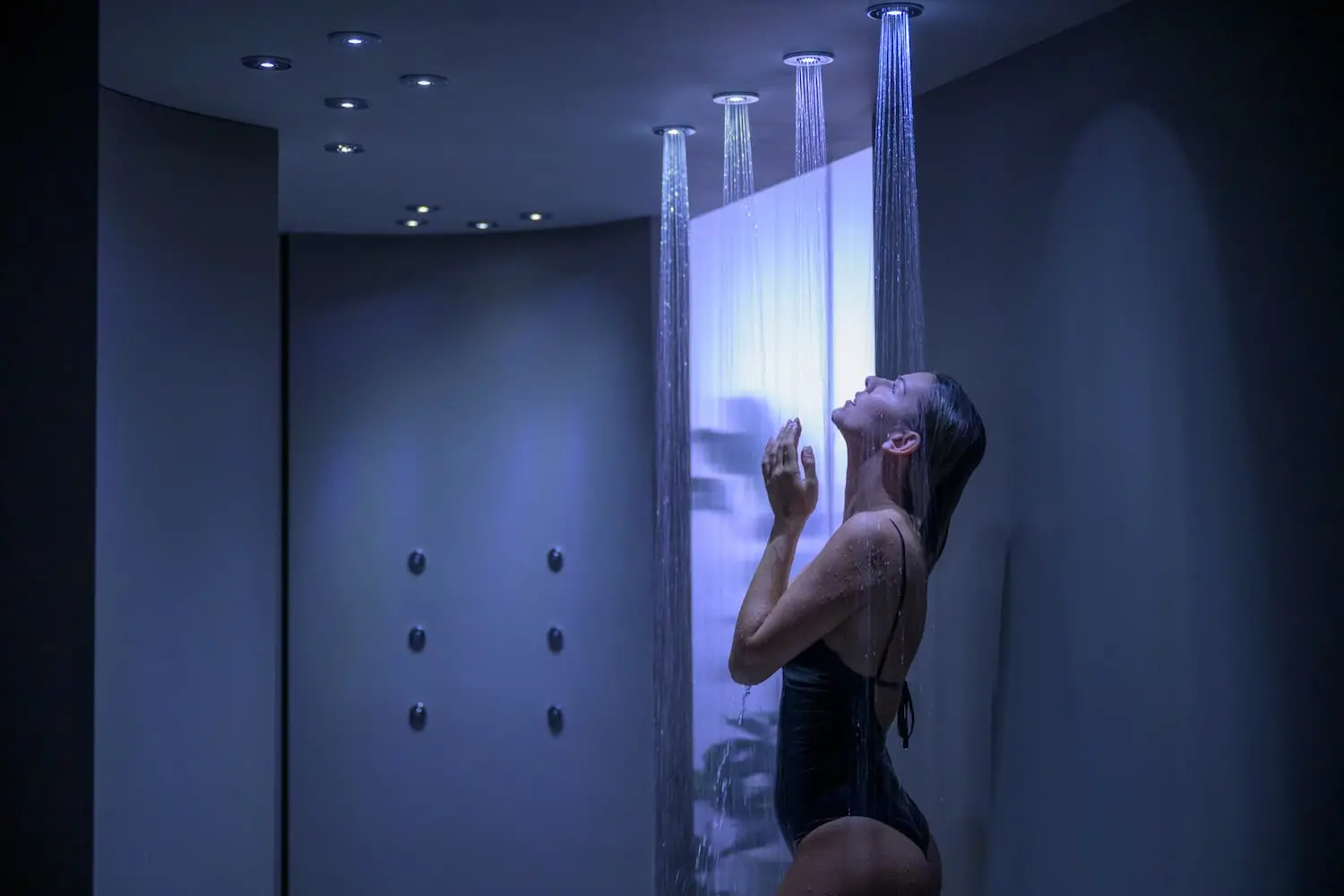
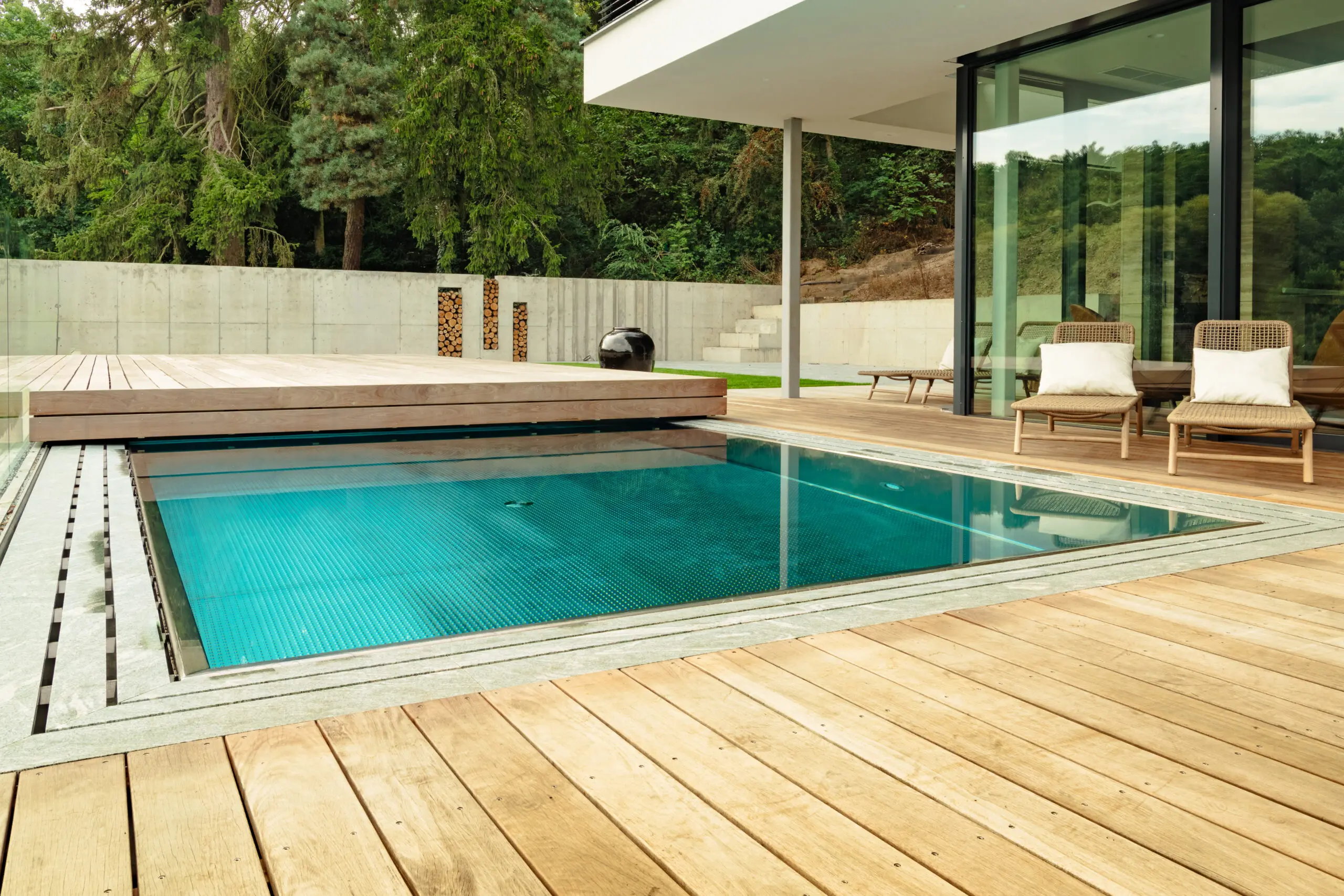
The infrared sauna is naturally complemented by a stainless steel cooling pool or a cold shower — contrast therapy significantly enhances the health benefits and adds an intensity to the experience that guests will remember.


The TAO infrared sauna as part of a comprehensive wellness portfolio
TAO saunas from IMAGINOX are designed and manufactured in the Czech Republic as custom-made designer products for both the hotel and private sectors. Each one is designed to meet the demands of design, durability and operational reliability in a commercial environment.
Each TAO installation is equipped with a control unit integrated into the central wellness panel, from which hotel staff can control all products — saunas, hot tubs, swimming pools, lighting — from a single location. No need to go through multiple systems, no need for technical knowledge on the part of reception staff.
More about TAO saunas and installation options for hotel projects at www.imaginox.com