



Saunas and steam saunas for athletes
Anyone who exercises regularly will be familiar with the feeling of having heavy legs after a long run or sore muscles after strength training, and the sensation of your mind still being active even when your body needs time to rest. Saunas are not just a relaxing addition for athletes — they are a serious tool for active regeneration, accelerating adaptation to training, reducing the risk of injury, and increasing long-term performance. The data is clear: the Global Wellness Institute has evaluated over 300 scientific studies on hydrotherapy, and the results consistently demonstrate its effectiveness.
Why regeneration is a critical factor in training
It is during the recovery phase after training that the body strengthens. During training, micro-tears occur in the muscles, energy reserves are depleted and the nervous system is put under strain. Recovery processes must compensate for all of this, and their effectiveness determines whether training will lead to increased performance or overload. Those who actively support these processes will train more effectively, last longer and protect their joints.
This applies to competitive athletes, recreational runners, strength athletes and regular gym-goers alike. The difference lies in the intensity: the more the body is pushed, the more important targeted regeneration becomes. The sauna, steam room and cool pool are among the most effective ways of achieving this targeted relaxation at a relatively low cost.
What happens physiologically when you use a sauna after sports?
When athletes go to the sauna after training, a cascade of physiological reactions is triggered. The increased temperature — typically 70 to 100 °C in a Finnish sauna — leads to skin vasodilation, whereby blood vessels dilate and blood flow to the muscles and skin increases significantly. This promotes the removal of lactate and other metabolic products that accumulate during exercise. At the same time, skeletal muscles relax and the synovial fluid becomes less viscous due to the heat, making the joints more mobile and reducing pain.
The GWI Hydrothermal Guide (2024) describes this effect in detail. Immersion in water above 36°C leads to muscle relaxation. At the same time, an analgesic effect is created by the increased surface temperature. Athletes suffering from pain after training will immediately notice this effect: their muscles will relax, their pain will subside and the feeling of heaviness in their legs or back will decrease.
Adapting the body to heat is also of particular interest to athletes. The GWI Hydrothermal Guide presents research results showing that athletes who regularly use the sauna can train more efficiently and perform better in warm conditions. Regular exposure to heat improves heat resistance, which is a measurable performance benefit in many sports, especially endurance sports.

Muscles, joints and the immune system
The musculoskeletal benefits of saunas are particularly important for athletes. According to the GWI Hydrothermal Guide, heat causes synovial fluid to become less viscous, which significantly improves joint mobility. Skeletal muscles relax, and, together with increased pain tolerance, there is a significant improvement in the perception of musculoskeletal pain. For athletes with rheumatic conditions or overloaded joints, the following applies: The positive effect is intensified if the sauna is followed by a cold application.
The immune system also benefits. During a sauna session, the number of white blood cells in the bloodstream increases, indicating an activated immune defence response.
Sleep as a regeneration engine: how the sauna improves recovery during sleep
One of the most underestimated benefits of the sauna for athletes is its effect on sleep. The GWI hydrothermal guide proves this. Regular sauna sessions extend the deep sleep phase. It is during this phase that important regenerative processes occur, such as growth hormone secretion, muscle repair, protein biosynthesis and neuronal regeneration. The longer you sleep, the faster you will recover and be ready for your next workout.
Additionally, there is a psychological dimension: the sauna triggers the release of dopamine and beta-endorphins. These neurotransmitters induce euphoria, improve mood and increase pain tolerance. The level of endorphins released is comparable to that experienced during a moderate endurance run. For athletes who struggle with mental fatigue or motivation after intense training sessions, the sauna is also an effective tool for psychological regeneration.
Steam sauna for athletes: gentler, but highly effective!
The steam sauna operates at temperatures of 40-60 °C with almost 100% humidity. For athletes, it offers a significant advantage over a dry sauna: the humid heat relaxes the airways, which is particularly beneficial after intense endurance training when the lungs and bronchi are under considerable strain. According to the GWI Hydrothermal Guide, the heat in the steam cabin relaxes the smooth muscle cells in the bronchioles, thereby improving respiratory function. This provides noticeable relief for endurance athletes who struggle with respiratory irritation.
Skin care is beneficial too: sweating in a steam bath opens the pores and promotes the detoxification of skin that is already under strain during exercise. Optional aromatherapy using essential oils such as eucalyptus or peppermint intensifies the breathing effect, transforming the steam bath into a restorative, multisensory experience.

Alternating cold and heat: the principle of Nordic sports medicine
According to the Hydrothermal Guide, switching from a hot sauna to a cold pool at 5–10 °C increases adrenaline levels even more than the sauna alone. The cold water numbs the nerves around the joints and muscles, stimulates the release of endorphins and strengthens the immune system. Just 30 seconds in a cold pool is enough to significantly boost blood circulation.
A recommended training routine for athletes is to spend 15–20 minutes in the sauna, followed by 30–60 seconds in a cold pool or under a cold shower, and then rest. Ideally, this should be repeated two to three times to reduce muscle pain, speed up recovery from training and promote restful sleep. It is important to note that the change should not be initiated immediately after an intense workout, but rather after a brief recovery period of 10-15 minutes to avoid overloading the circulatory system.
A 2024 study at the University of Ottawa involving ten young men showed that repeated exposure to cold significantly improves autophagic function at the cellular level. Autophagy is a cellular self-cleaning mechanism that breaks down and recycles damaged cellular components — a process associated with longevity, athletic endurance and the body’s ability to manage stress more effectively. The researchers described this effect as “tuning” the body’s microscopic mechanisms and identified enormous potential for further research, particularly with regard to older athletes.
Hydrotherapy and whirlpool: active water massage for stressed muscles
A water temperature of around 36–38 °C, combined with targeted massage jets, relieves tension in large muscle groups and promotes blood circulation in deep tissue layers. It also encourages the breakdown of lactate. The GWI Hydrothermal Guide describes hydrostatic water pressure, which acts evenly on the body from all sides, as therapeutically useful. It reduces swelling and relieves swelling in the extremities after prolonged exertion while also transporting blood from the lower extremities back into the bloodstream.
Water also offers a mechanical advantage: the body moves more slowly in water because movement is slowed down in a more viscous medium — and the body’s perception is sharper. This principle is particularly valuable for athletes undergoing rehabilitation after injury: movements that would cause pain on land can be performed in water with significantly less strain on joints and tendons. Buoyancy reduces functional body weight by a factor of ten, allowing joints to relax and movement sequences to be practised without risk.
Sauna and steam cabin from IMAGINOX and TAO: for sports facilities and fitness centres
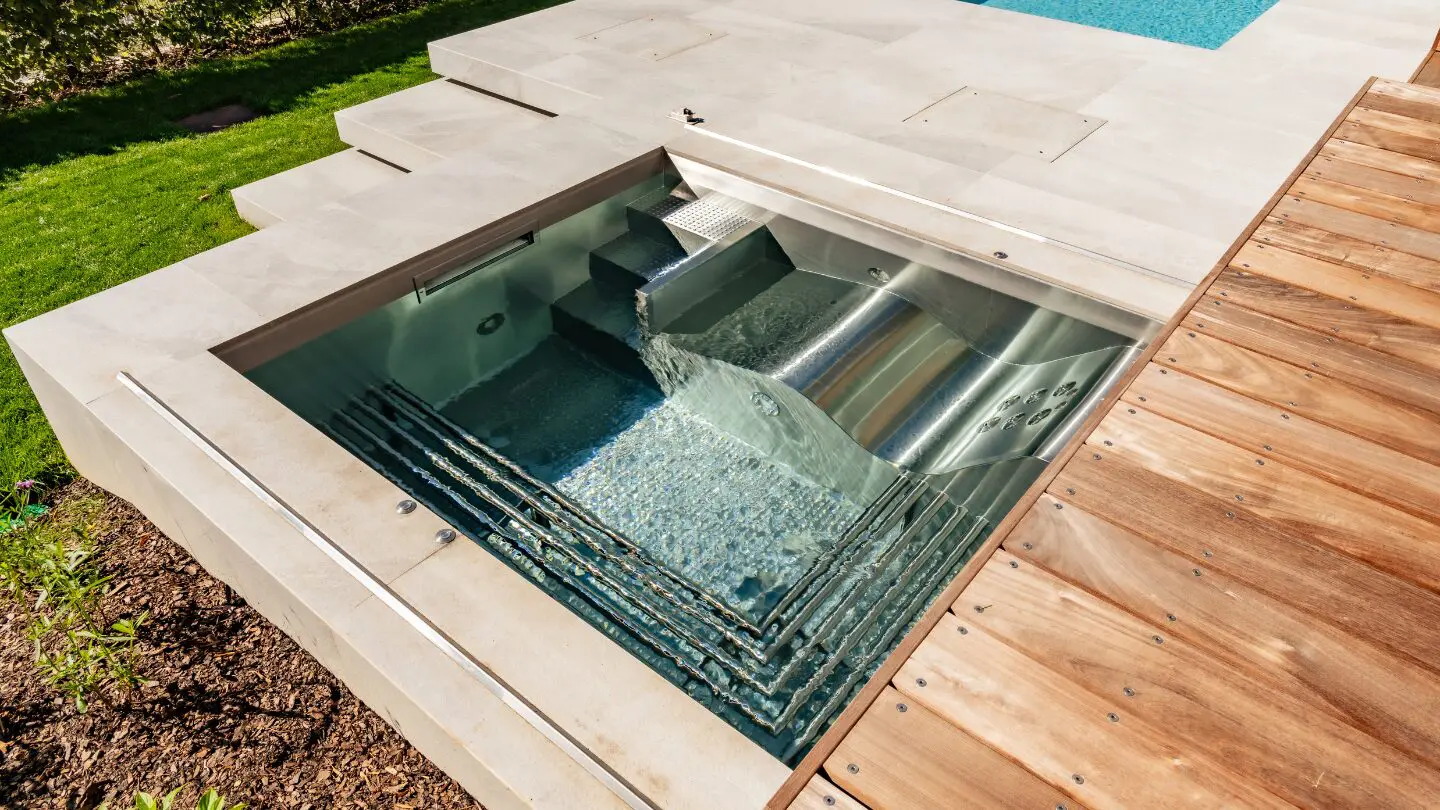
IMAGINOX and its own brand, TAO, offer custom-made saunas, steam baths, and stainless steel pools for sports facilities, fitness centres, and wellness zones of all sizes. All TAO commercial models are designed for continuous operation and meet the highest hygiene and safety standards. They can also be conveniently controlled remotely by personnel. TAO steam cabins can be completely customised in terms of size, materials and equipment to suit the space, budget and target group of the sports facility.
IMAGINOX’s range of stainless steel pools and cooling pools is the perfect addition to any sports facility, offering hygiene, durability and low maintenance. Each solution is planned individually, in close coordination with spatial conditions, existing water connections, and operational requirements. The result is wellness areas that provide athletes with the effective, science-based recovery they need after training.
Find out more about saunas and wellness products for sports facilities at www.imaginox.com