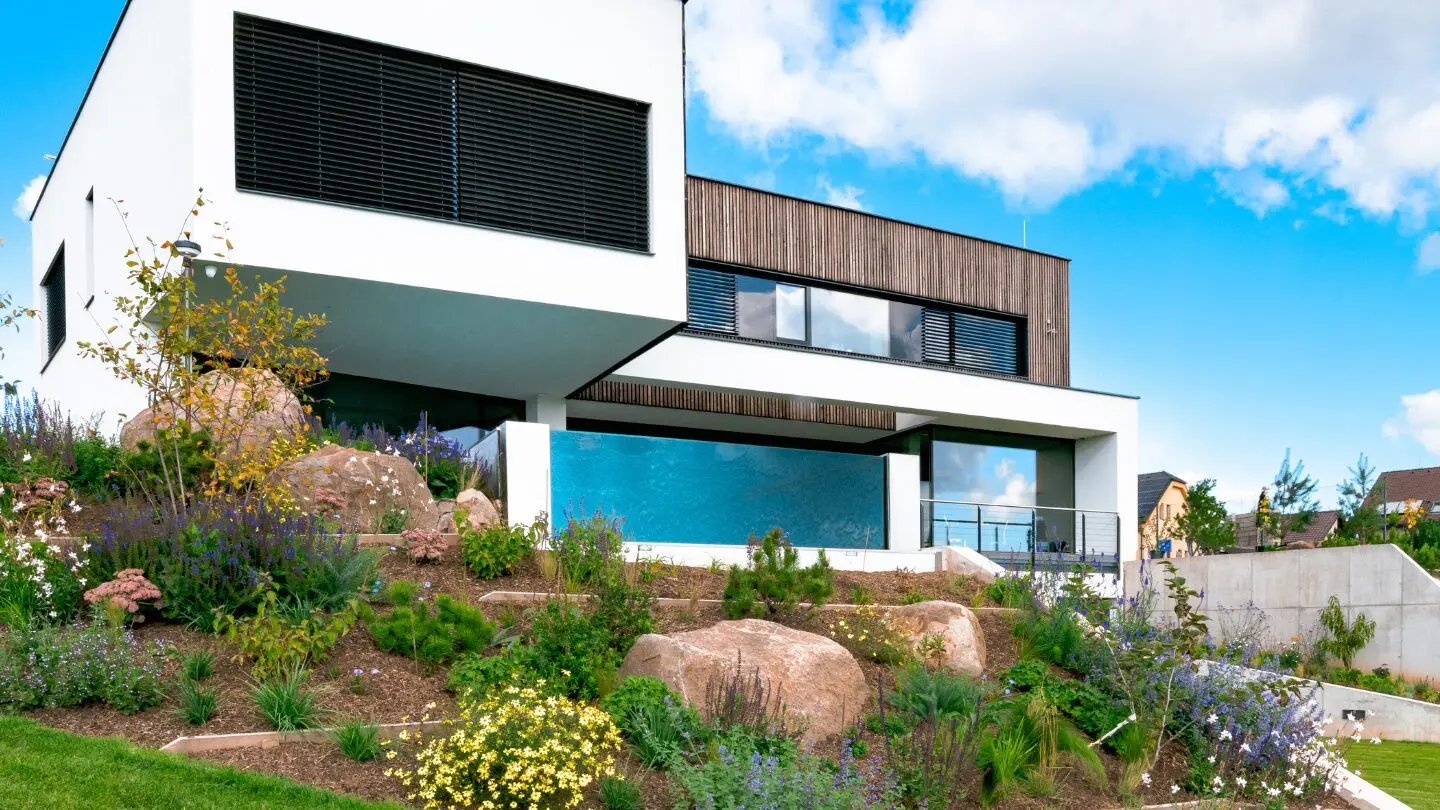
3 trends that change the perceptions of swimming pools
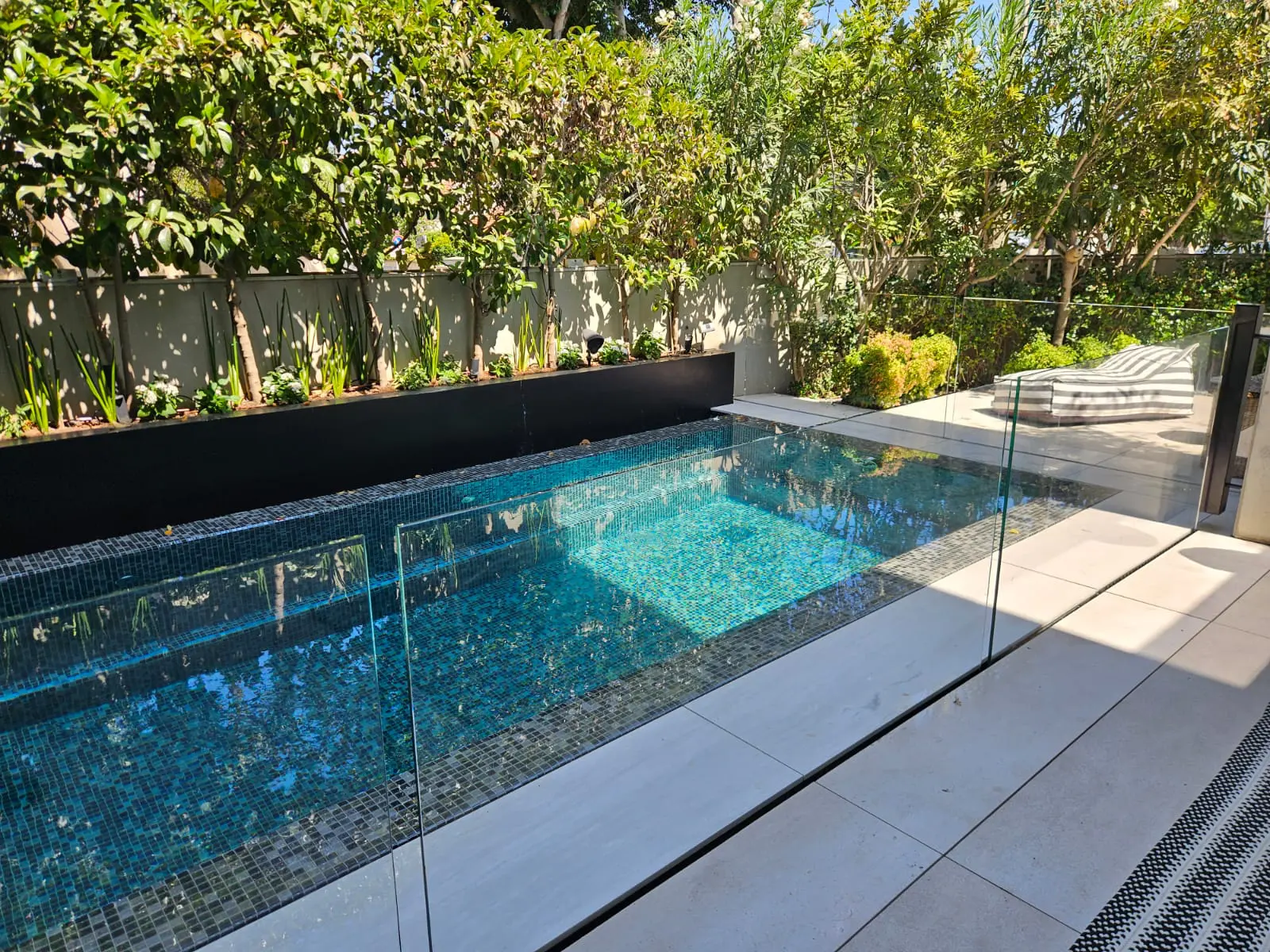
Glass bottoms, automatic sliding walls and invisible safety barriers are not futuristic visions, but specific technologies that are currently shaping the design of luxury swimming pools and wellness centres in hotels around the world. The global wellness tourism market reached a value of almost USD 1 trillion in 2024, growing at a rate of 8–10% per year. According to surveys, 80% of hotel guests choose their accommodation based on the quality of the wellness facilities, and guests spend up to 175% more on wellness stays than regular tourists. In this environment, manufacturers of swimming pool technologies, such as the Czech company Imaginox, are becoming key partners in hotel projects.
Glass pools offer guests a unique experience
In recent years, transparent pools with glass walls or bottoms have become one of the most visible symbols of luxury hotels. One in six travellers chooses a hotel based on what they have seen on social media, and glass-walled pools are exactly the type of architectural feature that generates thousands of shares.
Practical examples demonstrate the diversity of this trend. The Alpin Panorama Hotel Hubertus in the South Tyrolean Dolomites has a 25-metre pool that extends 17 metres beyond the hotel’s exterior and sits 12 metres above the ground. Architects from the NOA studio describe this as providing a sensation of weightless floating between heaven and earth. In Hong Kong, the Hotel Indigo has a glass infinity pool on the 29th floor, where swimmers can look directly down onto the street below. London’s Sky Pool at Embassy Gardens is a 25-metre, fully transparent pool suspended 35 metres between two residential towers — its 300 mm thick acrylic base is said to be the world’s largest self-supporting piece of acrylic.
The Haitang Bay Hotel in Sanya, China, stands out on an Asian scale with the world’s largest cantilevered acrylic pool. Measuring almost 55 metres long and 22 metres wide, it has transparent walls on all four sides. In Europe, the Clarion Hotel Helsinki has a sky pool on the 17th floor. It is built from 1.7 tonnes of marine stainless steel and over a tonne of acrylic. Guests repeatedly rate it as “the best pool they have ever been to” in their reviews.
Technically, these pools are made of two materials. Acrylic (PMMA) is up to 17 times stronger than ordinary glass and transmits 90–92% of light. Tempered laminated glass, which offers higher scratch resistance, is used for smaller areas. Imaginox combines these technologies with stainless steel to create pools where the glass wall also serves as an overflow edge, with water flowing effectively over the glass into a hidden gutter. Imaginox has installed a glass infinity pool on a rooftop terrace in Tel Aviv and a pool with a glass bottom in Denmark, among many others.

Sliding doors connect the indoor and outdoor spaces
A second strong trend is the blurring of the boundaries between the interior and exterior, a concept referred to by spa design experts as a key element of biophilia in wellness architecture. Guests want to be able to enjoy contact with nature, fresh air and natural light without being dependent on the weather. Automatic sliding glass doors offer the perfect solution, transforming a closed pool area into an open terrace — or vice versa — at the touch of a button.
Sliding doors offer solutions with which we are familiar from standard door systems. You can choose a double-leaf solution where two sliding leaves close against each other to create a symmetrical passageway, or a single-leaf solution that opens to the left or right, which is ideal for smaller projects. Multi-track assemblies (two to three tracks with multiple fields) are also available, allowing the wings to slide behind each other and increasing the clear passage. This solution is ideal for large projects where the passageway to the outside occupies a significant portion of the pool area.
Imaginox has three notable hotel references in this segment from last year. At the Fairmont Golden Prague Hotel, the company installed a 15 × 15-metre stainless steel pool with an overflow on three sides for the Fairmont Wellness & Spa. This unique pool allows guests to swim directly from the indoor pool out onto the terrace without having to leave the water. The installation also includes an outdoor whirlpool for five people with 28 hydromassage jets and a decorative pool with a fountain.
In Livigno, Italy, Imaginox built a pool for the new “Adults Only” premium Hotel Damelis. The L-shaped stainless steel overflow pool enables guests to access the warm spa via automatic glass doors, offering views of the Alpine landscape. According to the project description, ‘the glass passage not only provides convenient access without having to leave the covered part of the hotel, but also visually connects the entire wellness area into a harmonious whole’. The company also supplied a complete turnkey wellness facility for the Al Nin & Spa Hotel in the same location, where the stainless steel pool seamlessly transitions from the interior (7.2 × 3.35 m) to the outdoor terrace (3.35 × 2.2 m) as a single unit.
Why do hotels require this feature? From an operational point of view, sliding doors can extend the season for year-round operation, reduce maintenance costs by keeping out dirt when closed, and allow flexible use of space for various events. According to a trend overview published by BluSpas Inc. in January 2026, ‘the most meaningful wellness experiences are not created by adding more elements within four closed walls, but by softening the boundary between interior and exterior’. Sliding glass walls can transform a private indoor space into a protected outdoor pavilion, without compromising on comfort or privacy.


Retractable safety barriers solve a problem that costs lives
The third trend is less visually striking, but potentially the most important. According to the World Health Organization (WHO), approximately 300,000 people drown each year, nearly half of whom are under 29 years old and a quarter of whom are under 5 years old. The US Centres for Disease Control and Prevention (CDC) reports that a four-sided isolation fence around a swimming pool reduces the risk of drowning by 83%. However, WHO findings from December 2024 show that 86% of countries worldwide have no legislation requiring swimming pools to be fenced off.
The situation is even more acute in the hotel industry, where guests do not expect the presence of a lifeguard at hotel swimming pools (as confirmed by European Standard EN 15288, which classifies them as ‘type 2’, where users do not expect supervision). France has responded most strictly: since 2004, every swimming pool, including hotel pools, has been required to have at least one certified safety feature. The penalty for non-compliance is €45,000. In the US, the federal Virginia Graeme Baker Act requires safety barriers at all public swimming pools, including hotel pools.
However, luxury hotels face a dilemma: while traditional mesh fences are safe, they are aesthetically unappealing. Enter the concept of glass sliding safety barriers: barriers that slide out of the pool terrace floor at the touch of a button and disappear back below the surface when not in use. The principle is similar to that of a sliding pool floor, which Imaginox manufactures under the AquaFloors brand. However, instead of providing a horizontal surface, these barriers offer a vertical protective element.
This segment is virtually unknown in the current market. The Swiss company HIRT Kinetics offers 1.2-metre-high retractable glass panels made of toughened safety glass that slide out of the ground. Their smooth surface prevents children from climbing over them. American company Guardian Pool Fence, the largest manufacturer of pool fences in the US, openly admits: ‘A true retractable safety pool fence that is reliable and protects children from drowning does not actually exist on the market.’ This represents a significant market gap, particularly for manufacturers with hydraulic sliding floor technology, stainless steel expertise, and experience with automated systems controlled via a mobile application.
Imaginox’s AquaFloors technology, which is a hydraulically controlled sliding floor with a load capacity of 150 kg/m² that can be integrated into smart homes, provides the technological basis for developing retractable safety barriers. The same hydraulic systems, stainless steel materials and control electronics can power vertical barriers that meet safety standards while preserving the aesthetic integrity of a luxury wellness space.

These three trends have one thing in common:
All three technologies – glass pools, automatic sliding doors and retractable safety barriers – are based on the idea of invisible technology. Guests want an uncompromising experience: transparency without risk; connection with nature without dependence on the weather; and safety without visual disruption to the space. The hotel industry is investing more aggressively in wellness. The luxury hotel market is expected to reach $118.5 billion by 2026, while wellness tourism is heading towards the $2 trillion mark by the end of the decade. In this context, advanced pool technologies are not a luxury, but a competitive necessity. Manufacturers such as Imaginox, who can combine stainless steel construction, glass elements, automated systems and safety technologies in-house, are becoming strategic partners in hotel projects around the world.
In recent years, the focus of hotel wellness has shifted from simply having a nice pool in a spa to offering a key experience that guests choose a hotel for.
You may be interested
A sauna or a hot tub after a workout? Both work – but in different ways and at different times
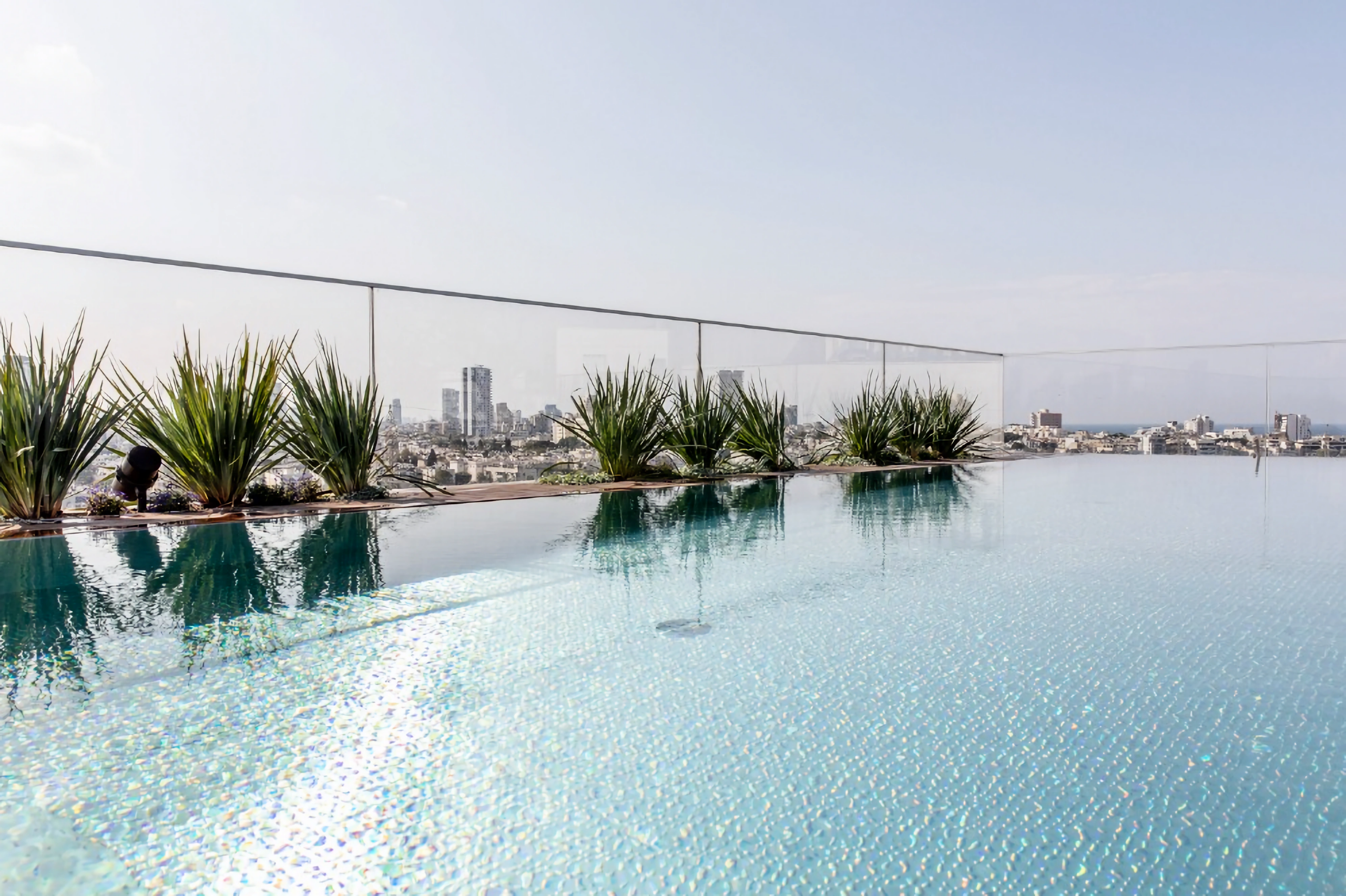
A stainless steel rooftop swimming pool: why metal is the best material when every kilogram counts