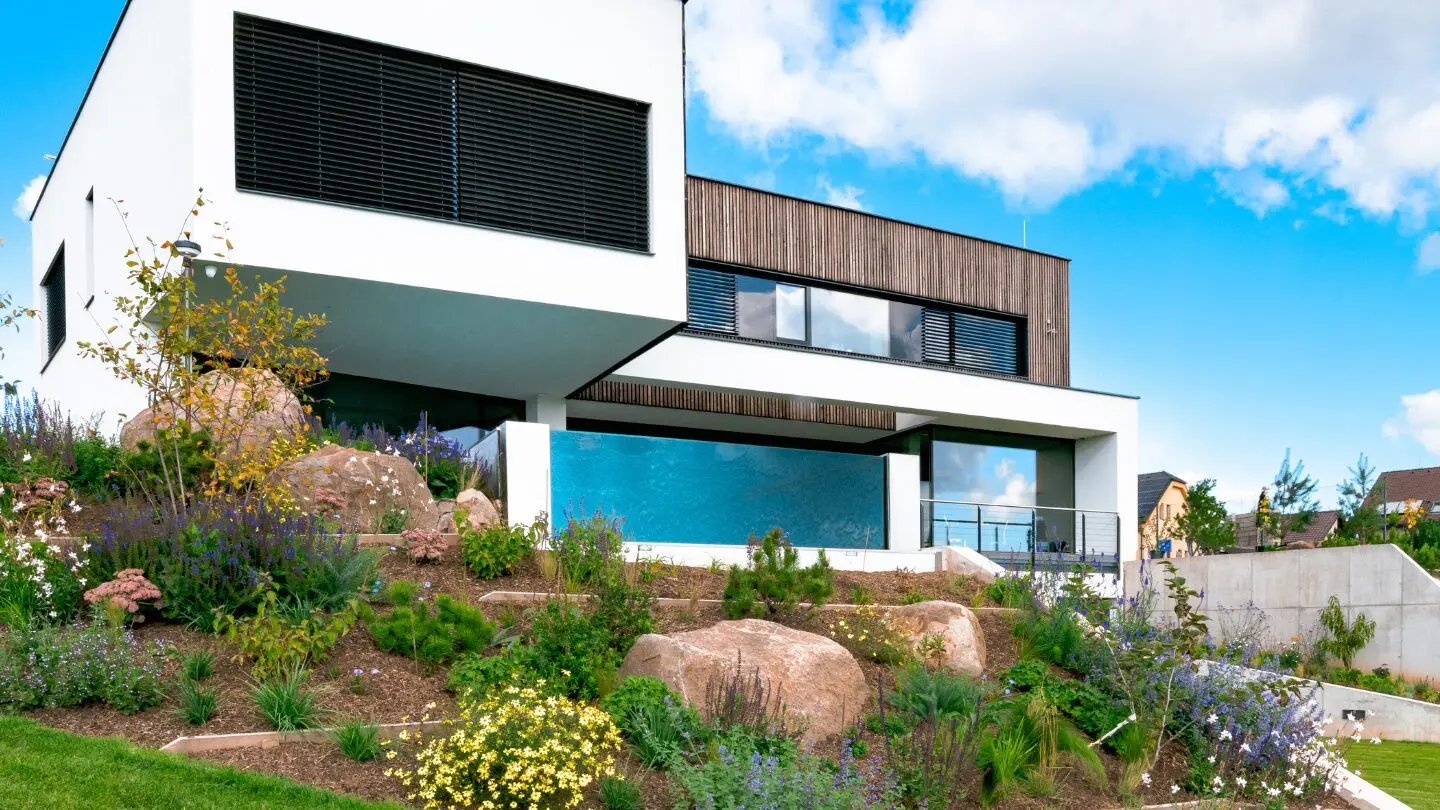
Turnkey wellness or multiple suppliers?
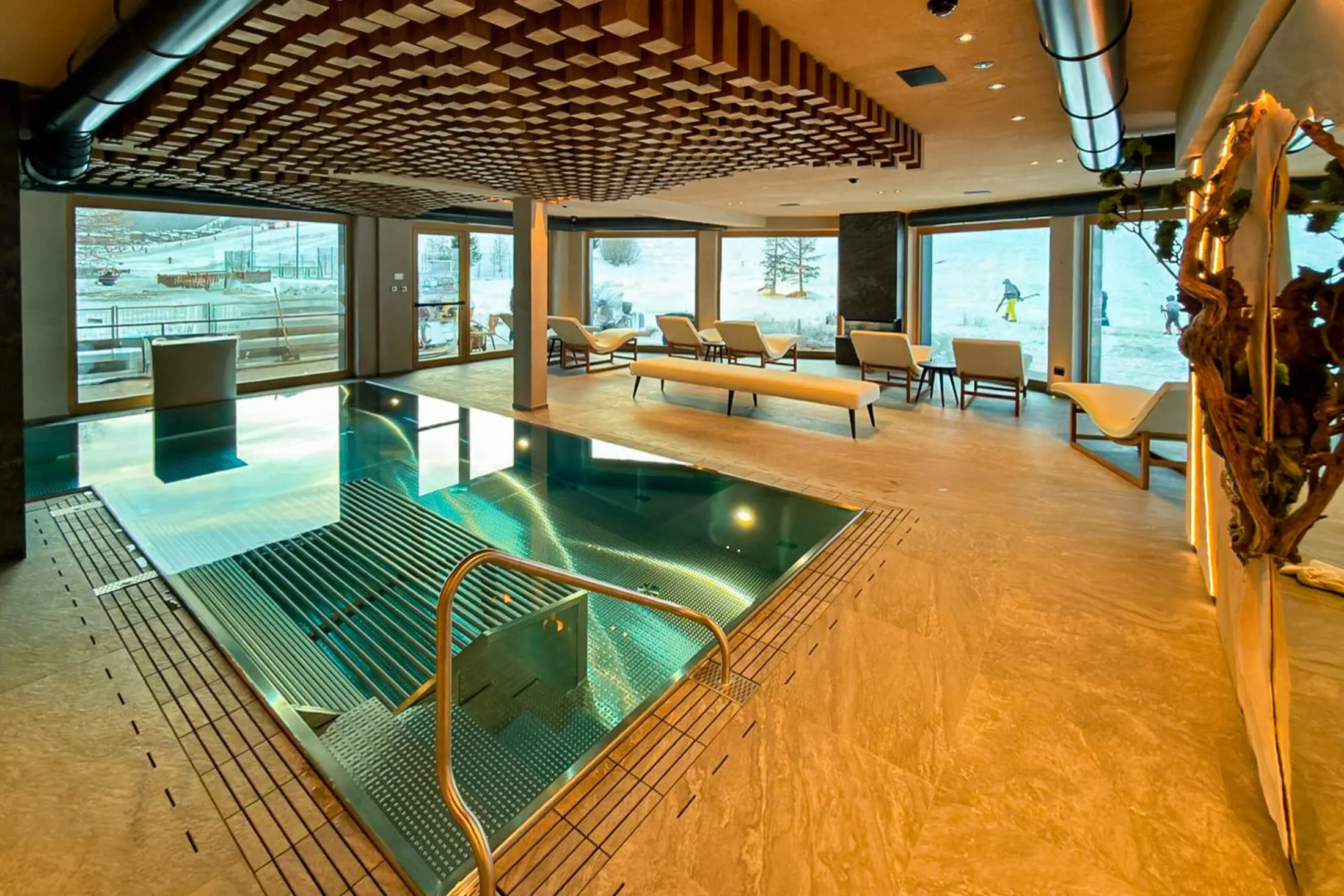
Every investment project in hotel or residential wellness starts the same way: with an idea of what should be there. Sauna, whirlpool, maybe a swimming pool, a cooling element. And then comes the question of how to arrange it all. The seemingly simple answer – to contact each specialist separately – has very specific consequences in practice, which will become apparent not when signing contracts, but when the technology fails for the first time when the hotel is fully occupied.
What it looks like when you put the project together yourself
The multi-vendor model has an intuitive logic: everyone does what they do best. A sauna from a proven sauna manufacturer. A hot tub from a specialised hot tub manufacturer. A swimming pool from a pool specialist. Technology from a technologist. It sounds reasonable – and it can look that way on paper.
In reality, three problems arise that recur repeatedly during the project and operation.
The first is coordination during implementation. Each supplier arrives at a different time, works according to their own standards and optimises their product – not the whole. The result is a project where the sauna needs air extraction exactly where the hot tub piping runs. Where the technical room doesn’t fit the available space. Where the wiring of three different systems requires three different service accesses. These conflicts are resolved later, always with an extension of the deadline and an increase in costs.
The second problem is responsibility – or rather the lack of it. When the whirlpool does not work properly and the whirlpool manufacturer claims that the problem is in the chemical treatment supplied by someone else, and the technologist says that the problem is in the settings made by the whirlpool manufacturer – who is responsible? In commercial operation, this situation will occur sooner or later. And the time spent looking for the responsible party is time when the wellness facility is not working.
The third problem is control. Each manufacturer supplies its own control panel or application. The sauna has a controller from the sauna manufacturer. The whirlpool has its own display. The pool technology has a control unit from the technologist. The lighting has a fourth system. The result is an operator who has to control four different systems, remember four different login details and go through four different interfaces whenever the settings are changed. In an area where the wellness is operated by a receptionist without technical training, this is a sure way to make mistakes and to stop using the technology to its full potential.
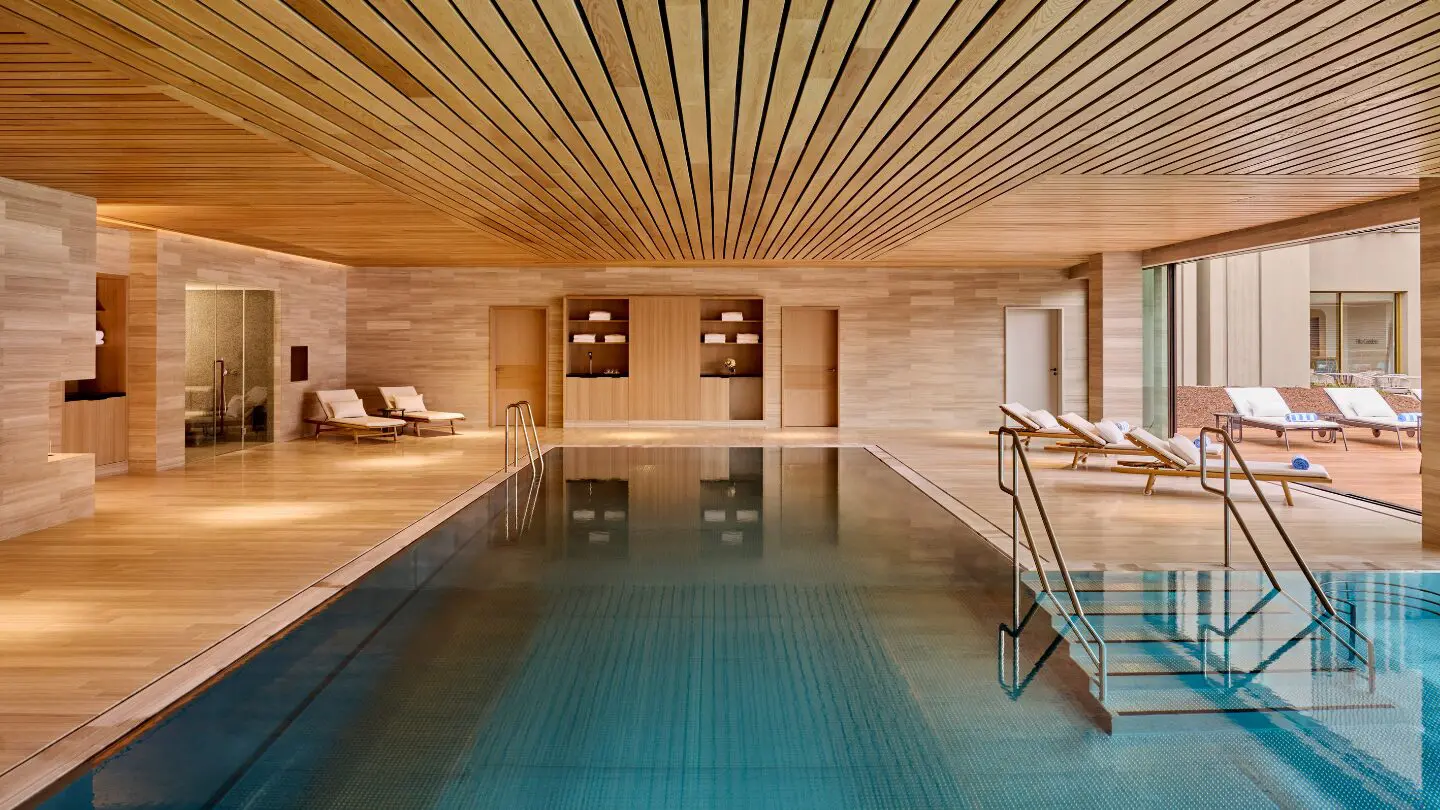
What turnkey wellness means in practice
The implementation of turnkey wellness does not mean that one supplier does everything in a mediocre way. It means that one supplier takes responsibility for the entire project – and adapts the design, product selection, technical solution and service accordingly.
Good turnkey wellness starts with an analysis of the space and the investor’s requirements, not with a product catalogue. Only on the basis of the specific space, location, type of operation and target clientele is a design created that makes sense as a whole – not as a collection of individual decisions.
The result is a project where each product was designed for this particular space from the outset, where the technical solutions are mutually compatible, and where the responsibility for the functionality of the whole lies with a single entity. In the event of a failure, there is one telephone contact. One technician will come for the service inspection. When expanding the wellness area with another element, the supplier has an overall view of the system.
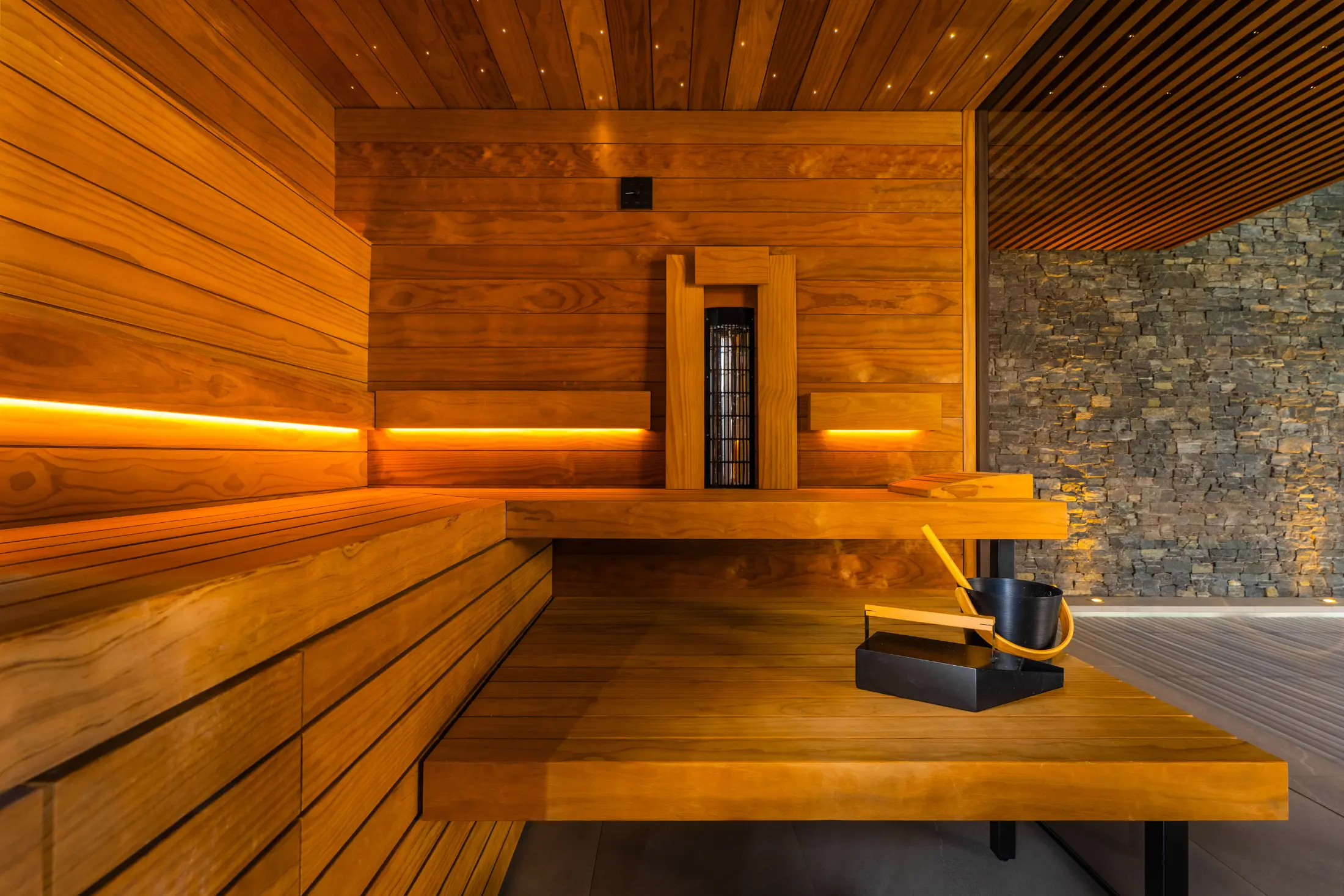
One panel for everything – and why it matters
IMAGINOX has developed a control system that, in the context of turnkey wellness, is fundamentally different from normal practice. While other manufacturers offer control panels only for their specific product, IMAGINOX integrates all wellness products into one control system at once: saunas, whirlpools, swimming pools, cooling elements, lighting.
This panel has two access levels, designed for real hotel operations.
The receptionist level is a simplified interface for everyday operation by staff without technical training. The receptionist or wellness staff can switch the sauna on or off, adjust the water temperature in the whirlpool, activate the lighting, start preheating before guests arrive or switch the system to night mode, all from one place. All through one intuitive interface, without the need to go through multiple systems or remember multiple login details. The panel can be placed directly at reception — wellness becomes part of the standard check-in process, just like room allocation.
The service level is intended for technicians and building managers. It provides access to the detailed parameters of each product: filtration cycles, chemical values of the pool water, temperature records, operating hours, and diagnostic reports. This approach enables remote management and data-driven outage prevention – not just after a failure.
This two-level management architecture addresses one of the biggest practical problems of hotel wellness: the gap between day-to-day operation and technical management. The receptionist does not need to know how the filtration cycle works. The technician does not need to go to the site for every routine check. Everyone gets access to the information they need — and nothing more.

Comparison in numbers
A direct comparison of the investment costs of turnkey wellness and the multi-vendor model is very often surprising. Many investors assume that directly selecting each product from a specialised supplier will result in savings. The reality is usually the opposite.
Coordination costs when implementing multiple suppliers — extra work, conflicts, deadline extensions — typically add 10–20% to the total project cost. The costs of additional integration of different control systems are another item that does not appear in the tender, but does appear during implementation. And service costs during operation are systematically higher with multiple suppliers, because each service intervention addresses only part of the system.
On the other hand, turnkey wellness offers the possibility of optimising the whole from the beginning — a technical room dimensioned precisely for the given products, piping routed without conflicts, and electrical wiring designed for a single integrated system. These optimisations are not visible in the catalogue price list, but are visible in the overall implementation costs and in operational reliability.
Conclusion: wellness as a system, not as a list of products
Wellness in a hotel or residential project works as a system – or it doesn’t work at all. Guests do not notice whether the sauna comes from manufacturer A and the whirlpool from manufacturer B. They notice whether the wellness works, whether it is convenient to operate and whether it gives them the experience they came for.
Turnkey wellness from a single supplier with an integrated control system is not just a matter of convenience during implementation. It is a prerequisite for wellness to function as a whole — reliably, efficiently and without unnecessary operational complications.
IMAGINOX implements wellness projects as a whole: from the initial consultation through design, production and installation to integration into a single control system and long-term service. One panel, one contact, one responsible partner. More about projects and products at www.imaginox.com
You may be interested
A sauna or a hot tub after a workout? Both work – but in different ways and at different times

A stainless steel rooftop swimming pool: why metal is the best material when every kilogram counts