Small turnkey wellness: from design to implementation
Wellness doesn’t have to be a large spa complex with dozens of treatments and its own staff. More and more hotels, guesthouses and smaller residential projects are opting for a compact, well-thought-out wellness solution – and the results prove them right. A small turnkey wellness centre, properly designed and equipped, can generate the same added value as a large spa — at a fraction of the investment and operating costs.
However, the key is the order in which decisions are made. Those who start by choosing products will end up with a space where nothing fits properly. Those who start with the space and location will get a wellness centre that works.
First the space – then the products
The first step in any wellness project must be a thorough analysis of the available space. Not a product catalogue, not inspirational photos on Pinterest — space. How many square metres are available? What is the ceiling height? Where are the water inlets, outlets and electrical connections? Where does the ventilation system run? Is the space on the ground floor, in the basement, or on the roof?
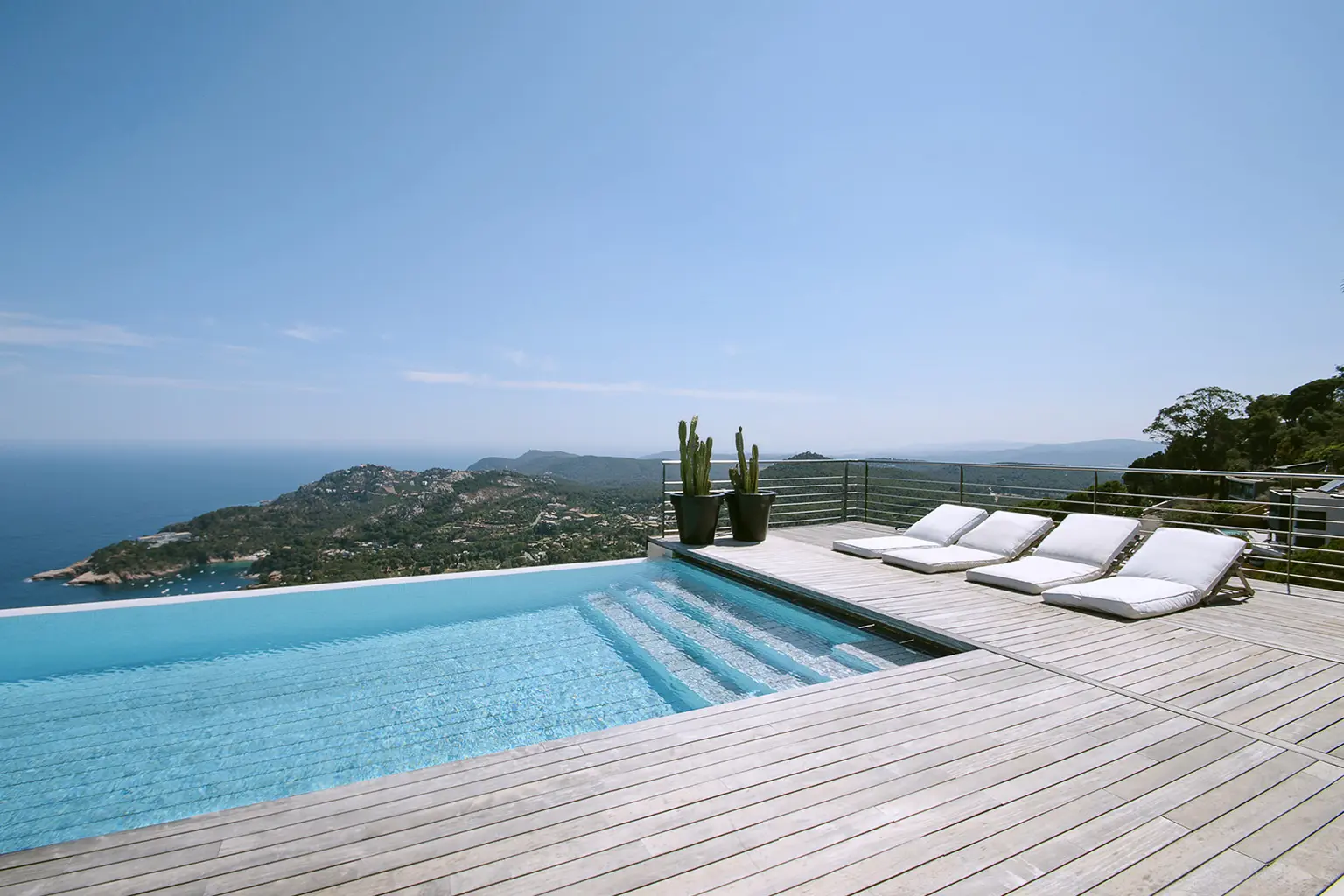
Each of these questions directly affects what can be realised in a given space. A sauna needs air extraction, a hot tub needs a technical room of at least 8–10 m², and an infinity pool needs a buffer tank. If the space does not physically allow for these requirements, no catalogue, no matter how beautiful, will solve the situation. On the contrary: with precise knowledge of the space, an experienced manufacturer can design a solution that would never have been created without this knowledge.
Practical recommendation: before the first meeting with the supplier, prepare a drawing of the space with measurements, photographs and information about the technical infrastructure. This will save you a few rounds of unnecessary consultations.
The location and type of business determine everything else
The second key parameter is the location and nature of the business. A hotel in an Alpine ski resort has different needs than a boutique hotel in the centre of Prague. A rural wellness guesthouse with a predominance of weekend guests operates differently from an urban hotel with a continuous business clientele.
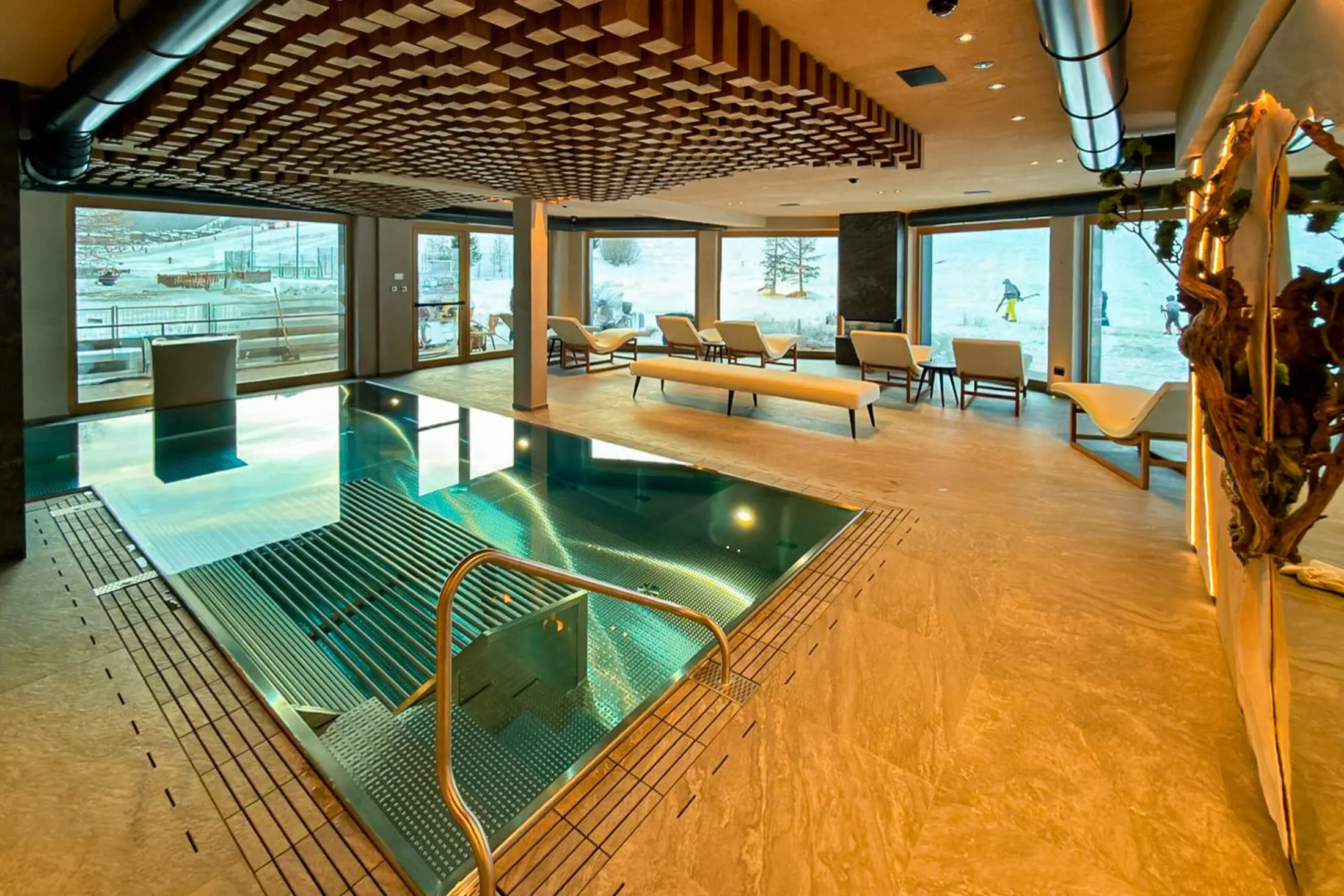
Alpine or mountain resort — guests arrive physically tired after a day of skiing or trekking. The priority is active regeneration: a whirlpool for muscle relaxation, a sauna for warming up and immune stimulation, and a cooling element for contrast therapy. Wellness becomes part of the daily programme, not an exceptional bonus — and the return on investment is therefore very fast.
Boutique hotel or design hotel in the city — guests are looking for privacy, quiet relaxation and a premium experience. Here, it makes sense to think about private wellness that is only accessible by reservation. Smaller space, but greater exclusivity — and a greater possibility of charging for access.
Rural guesthouse or agritourism — wellness as a differentiator from the competition. A sauna and hot tub as a reason why guests choose this particular guest house and why they return. The investment doesn’t have to be large, but it must be visible and well communicated.
Shared or private wellness? Key decision
This question is perhaps the most important of all for a small hotel. And the answer is not clear-cut – it depends on a combination of several factors.
Shared wellness — accessible to all guests during opening hours — makes sense when the hotel achieves sufficient occupancy and the wellness area will be used continuously. Advantage: wellness becomes a standard part of the offer, which customers perceive as a natural benefit and take into account when choosing accommodation. Disadvantage: when occupancy is low, operating costs (energy, chemicals, maintenance) are fixed regardless of use.
Private wellness by reservation — dedicated time for a specific guest or group — is a solution for smaller hotels where shared wellness would lead to underutilised capacity. It brings a fundamental advantage: the possibility of charging for wellness as a premium service. A hotel hot tub or private sauna booked for 90 minutes for two can generate an income of CZK 800–2,000 per session — without staff, without attendants, with only automated technology. In many cases, the ROI of private wellness is shorter than that of shared operation.
The combination of both models — sauna and cooling element as shared, hot tub as private — is an elegant solution that allows you to offer both an inclusive benefit and an additional premium experience. For hotels with 20–50 rooms, this combination is very often optimal.

What equipment for a small commercial wellness facility?
With limited space and budget, prioritisation is key. Not everything has to be there right away – but what is implemented must be of high quality and operational for commercial use.
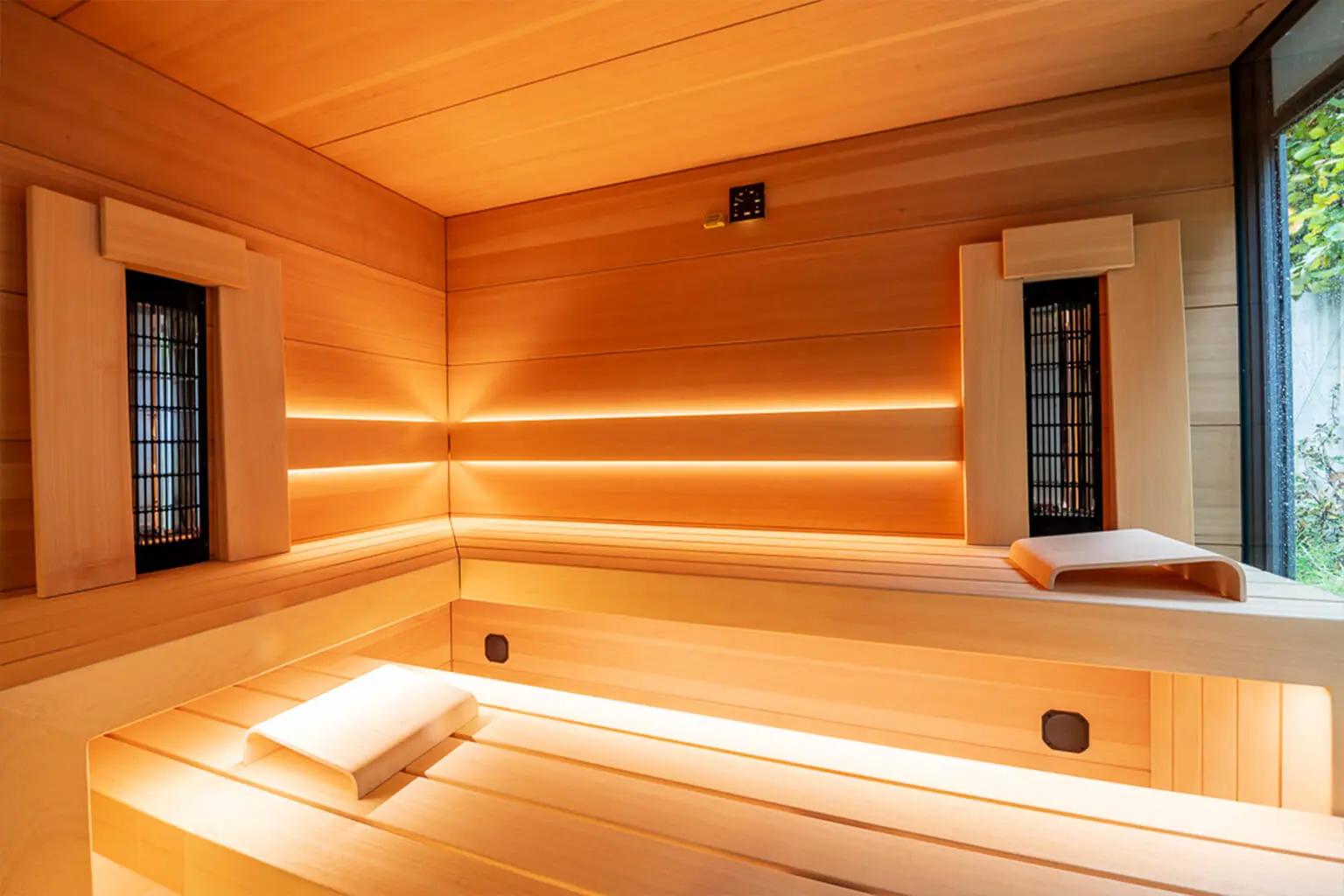
The sauna is the most versatile choice. It takes up relatively little space (from 4–6 m²), operating costs are predictable, it does not need a water connection and, if designed correctly, it does not need to be operated – automatic control with a remote control or app is sufficient. For a small hotel, a sauna is the fastest way to a functional wellness area. TAO saunas from IMAGINOX are manufactured specifically for commercial operation — with remote control, automatic overheating and extended service life for intensive use.
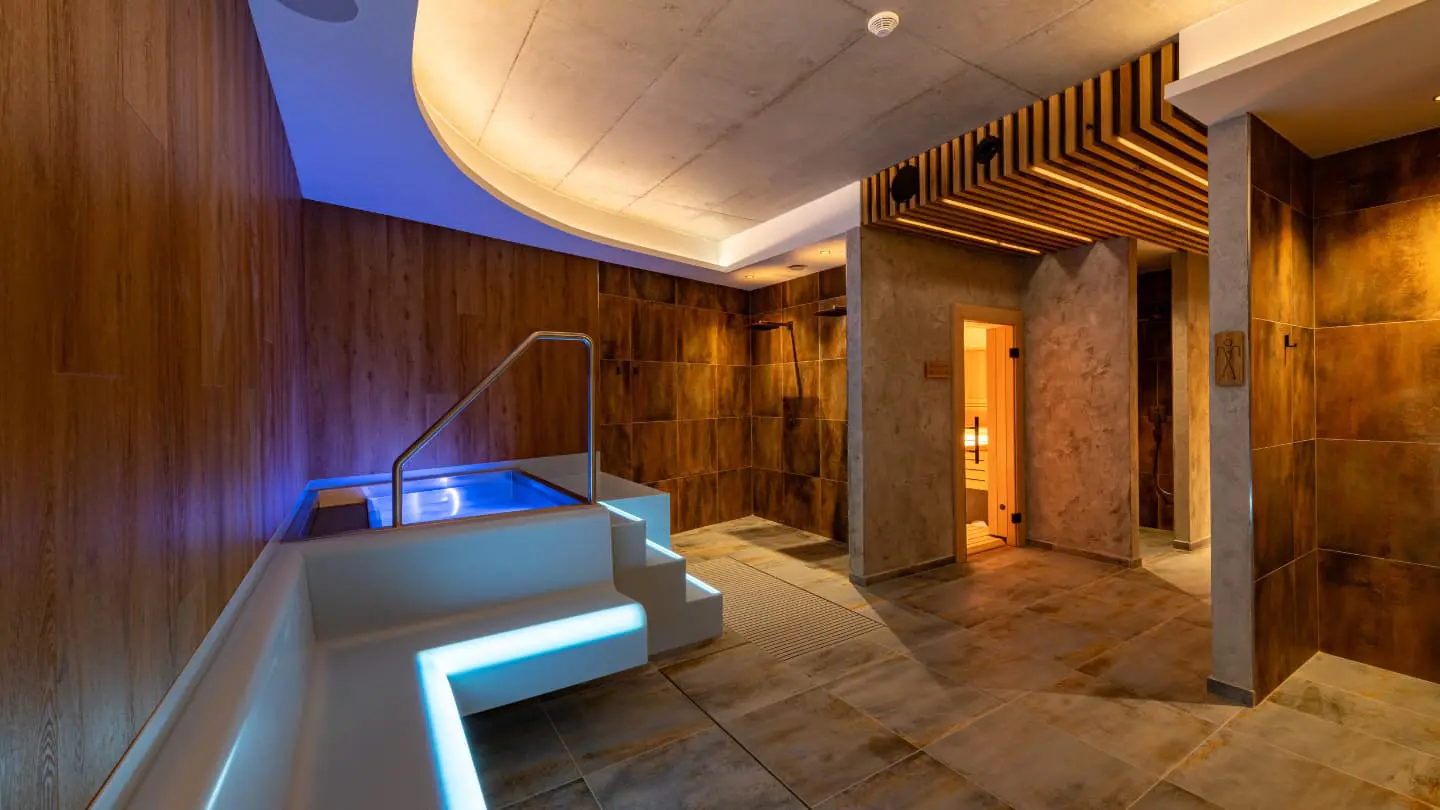
The hot tub adds an active water element and significantly increases the attractiveness of the wellness zone. A stainless-steel hot tub is the clear choice for commercial operation: non-porous surface, minimal maintenance, no liner replacement, no falling tiles. The disadvantage is the need for a technical room – this is the first thing that needs to be checked before deciding on a hot tub. IMAGINOX designs hot tubs specifically for hotel operation with automatic chemical management and remote control.
A cooling pool or shower is the third pillar of a functional wellness cycle. It doesn’t have to be a large cooling pool — even a compact stainless-steel pool or a high-quality experience shower is enough for guests to undergo the classic hot-cold cycle that maximises the health benefits of sauna use.
What to leave out for now? A steam cabin, salt wall or ice cave are great additions – but for the first phase of a small commercial wellness centre, they unnecessarily complicate the project and increase the investment. Add them when the basic wellness is up and running and generating income.

Turnkey implementation: why not try to put the project together yourself
There’s one tricky thing about small wellness facilities: they seem simple, which is why many investors try to put the project together themselves from different suppliers. Sauna from one, hot tub from another, technology from a third. The result is usually more expensive, the implementation takes longer and the responsibility for the functionality of the whole is not clear.
Turnkey implementation from a single supplier that covers design, production, installation and service makes clear sense in commercial operation. One point of contact, one warranty framework, one service partner. If the hot tub or sauna fails when the hotel is fully occupied, there is no time to coordinate three different companies.
IMAGINOX implements small commercial wellness facilities as complete projects – from the initial consultation, through the design of the layout, to commissioning and staff training. Each solution is created for a specific space, a specific location and a specific type of operation. More information and reference projects can be found at www.imaginox.com